Workflow

Creativity + editable workflow

AI filmmaking backed by character animation, virtual cinematography and the engineering to build repeatable workflows. Finished films, made solo from concept to final master, with characters, products and sets that stay the same from the first shot to the last.

Approach20+ years across software, animation and real-time production

Experiment with purpose. Test new AI tools against real production needs: consistent characters, planned camera movement, believable action and a finished edit. Keep the useful methods, inspect the result and revise the weak shots.

MoonkeeperUnreal Engine + AI filmmaking

Moonkeeper

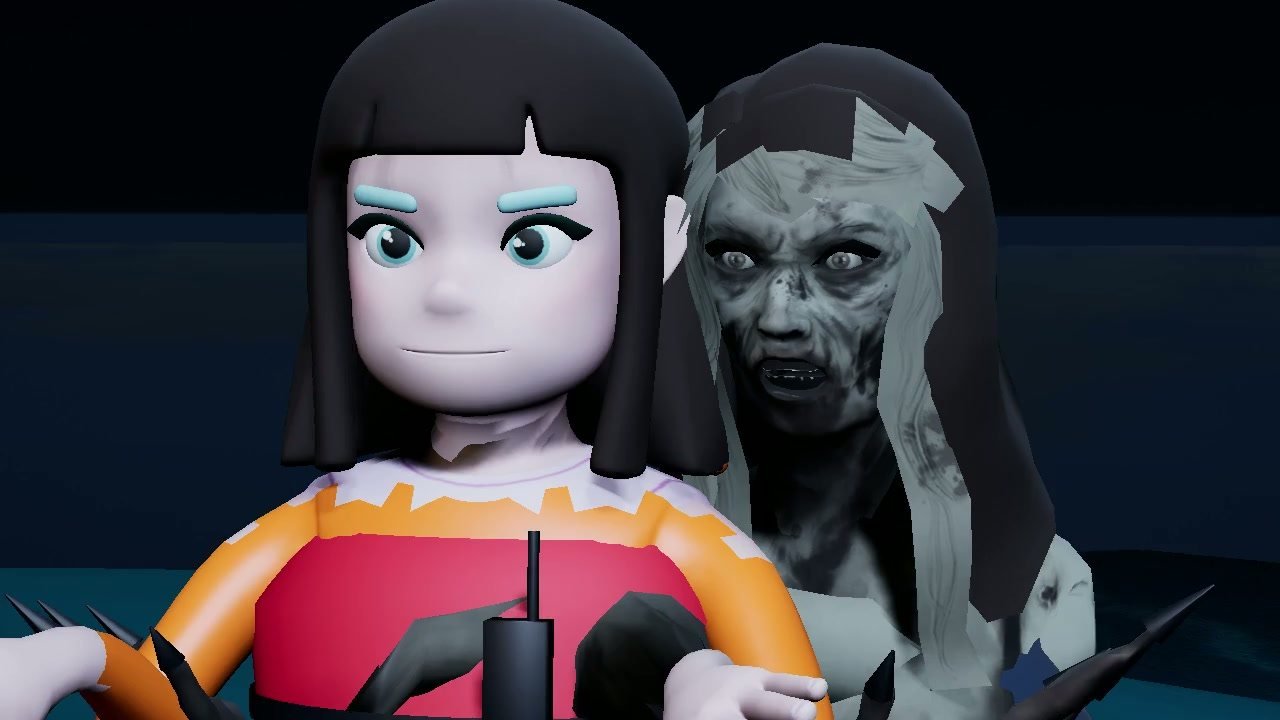
Building the film before the final image.

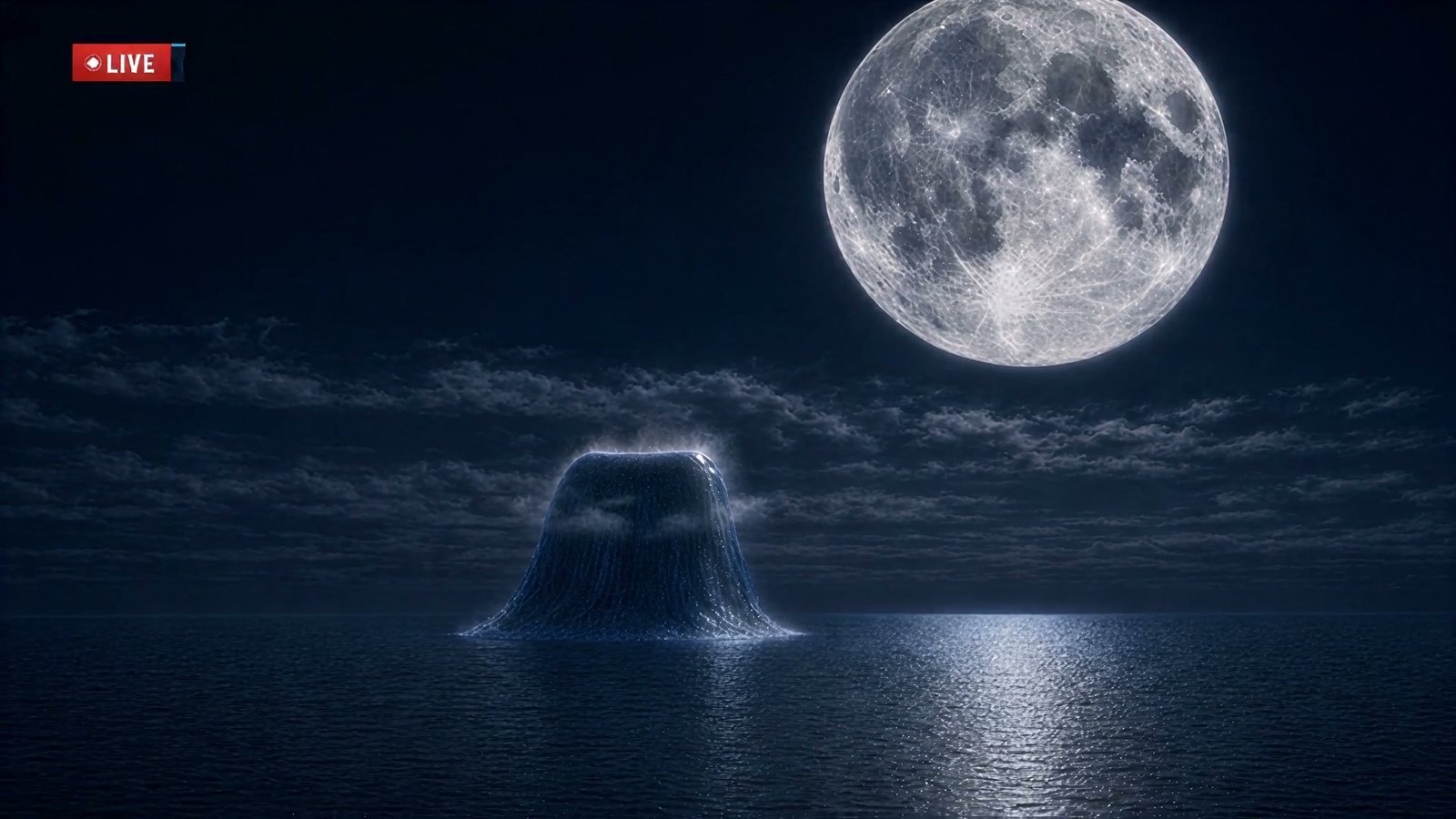
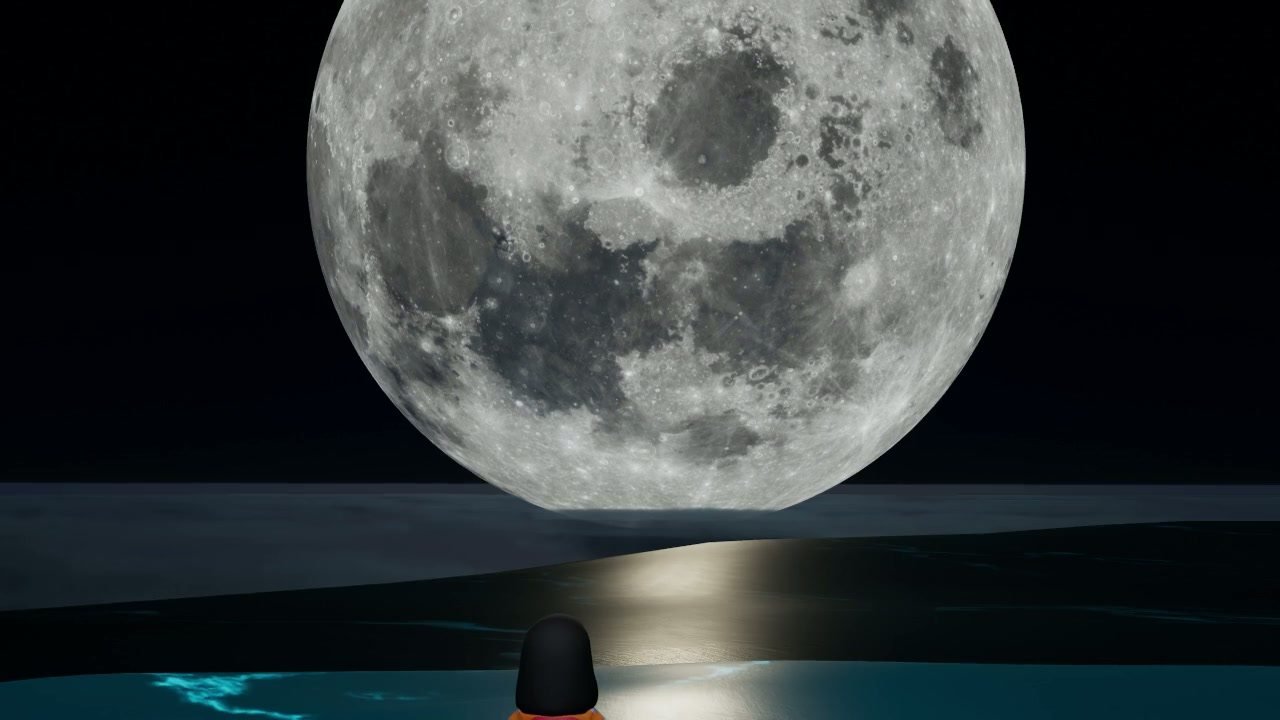
A virtual ocean, a suspended wave and a cast of stand-ins. Unreal made the scale, staging and camera coverage tangible before AI generation.

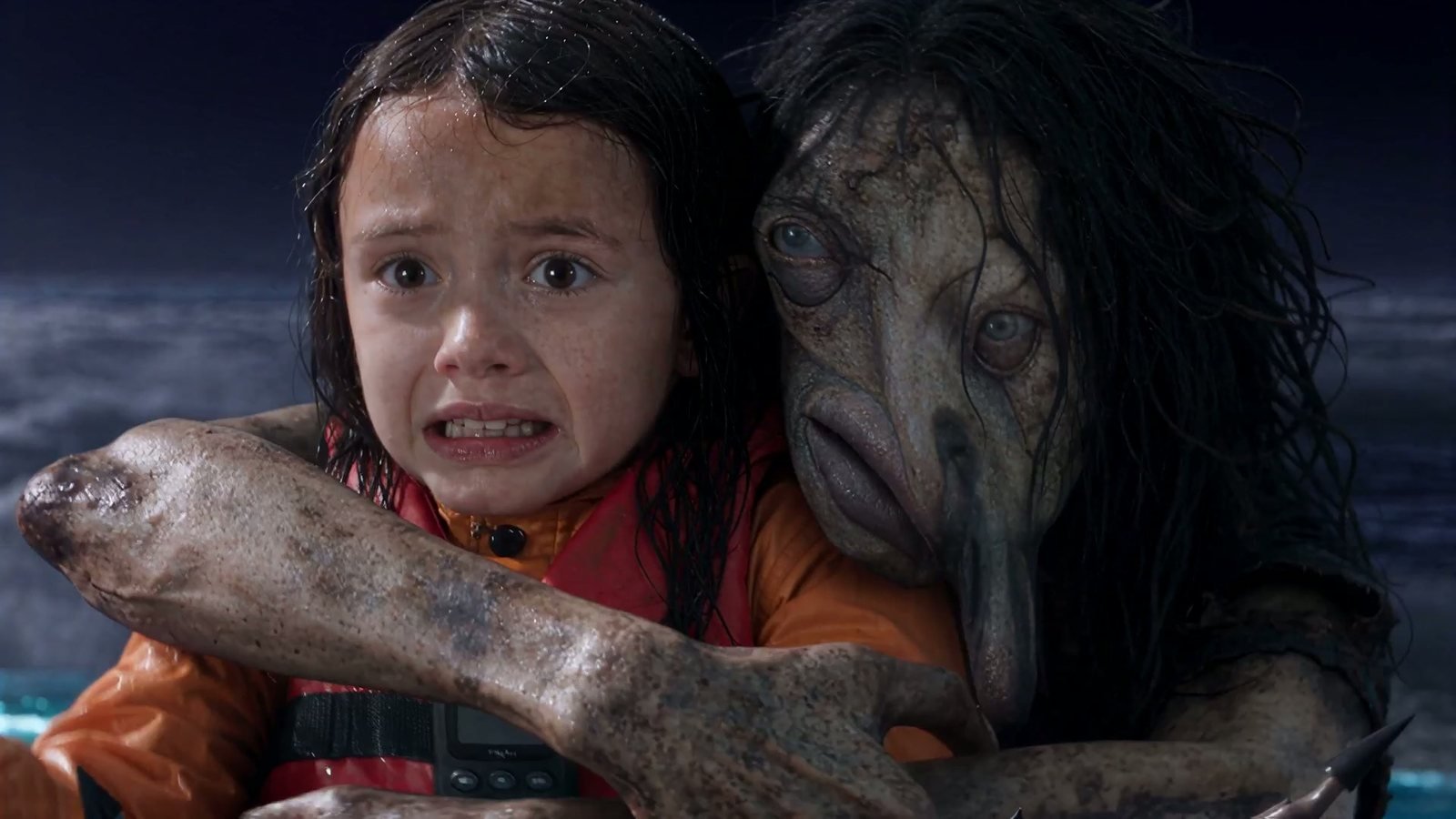
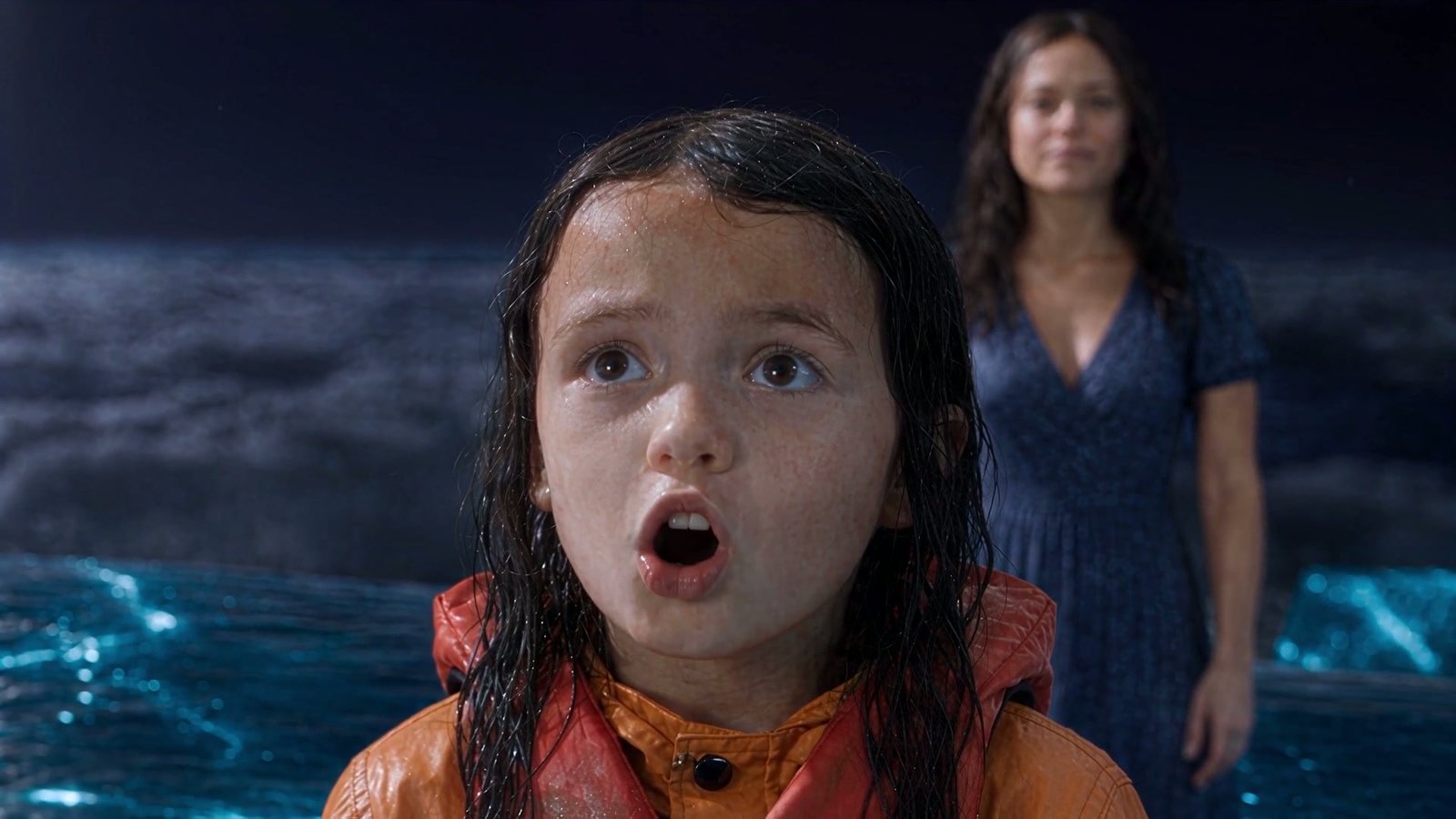
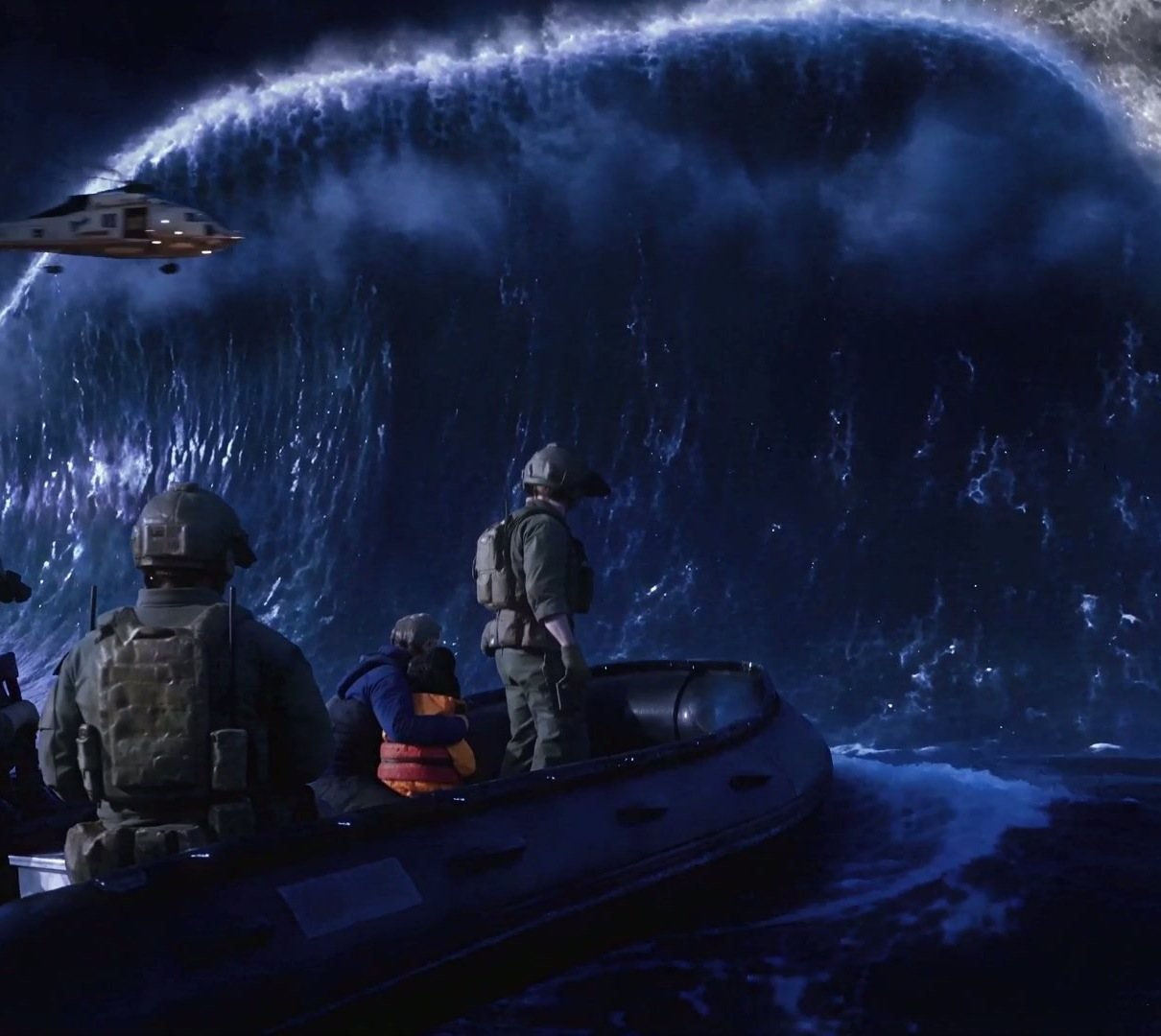
When an unnaturally close moon draws the ocean into a towering wave held motionless above the sea, a nine-year-old Moonkeeper must ride a mile-high path of living water and sing the moon back into place. After her escort is destroyed, something inside the wave is waiting for her, wearing her dead mother's face.

  1. 01Build the world
  2. 02Stage the action
  3. 03Carry the shot into AI
Moonkeeper: Navy SEALs in a rubber boat facing the giant wave

01 / World building

A world with measurable scale

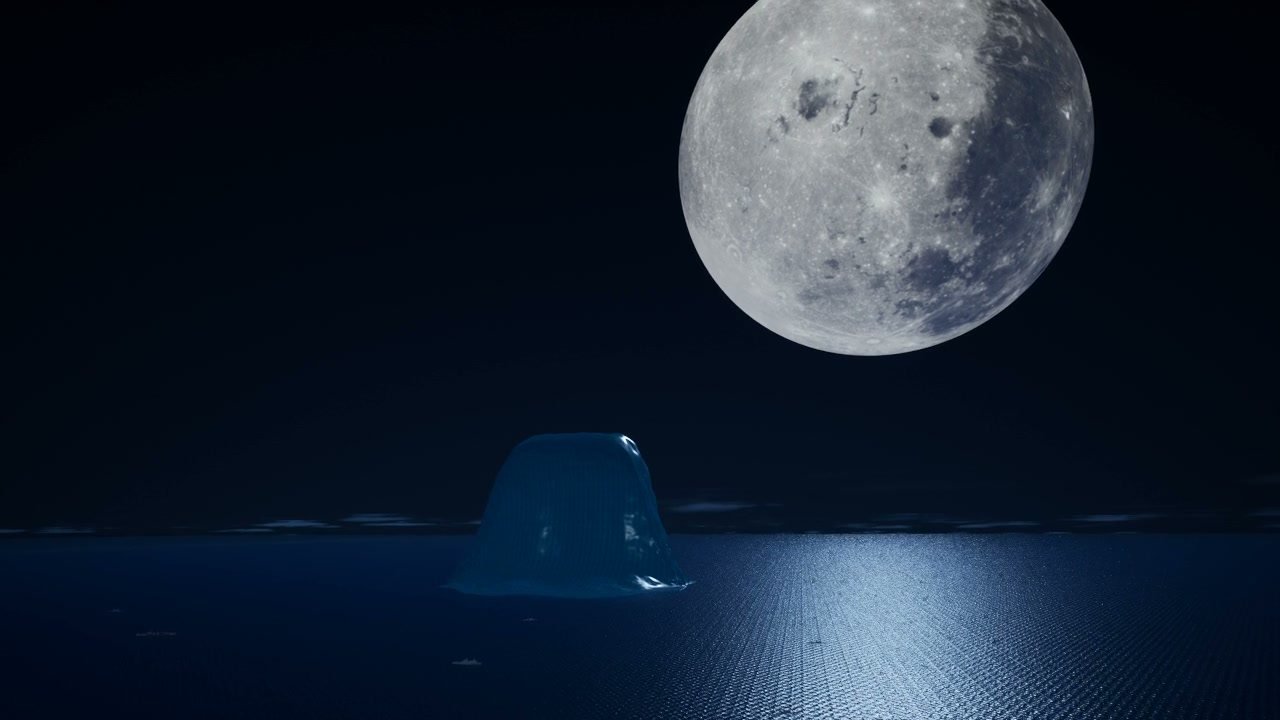
The wave, moon, ocean and carrier group shared one editable Unreal scene. Cameras could move through a spatially defined world.
Unreal animaticUnreal animatic
Final filmFinal film
Unreal fleetUnreal fleet
Final filmFinal film

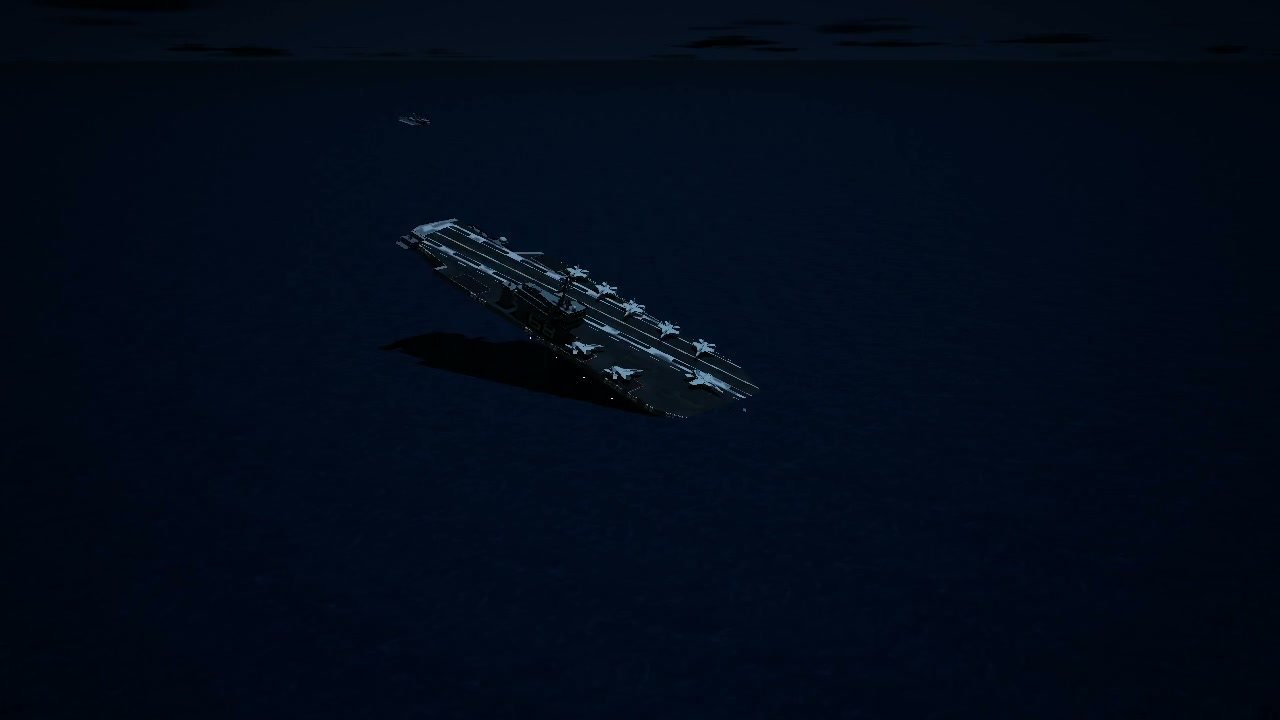
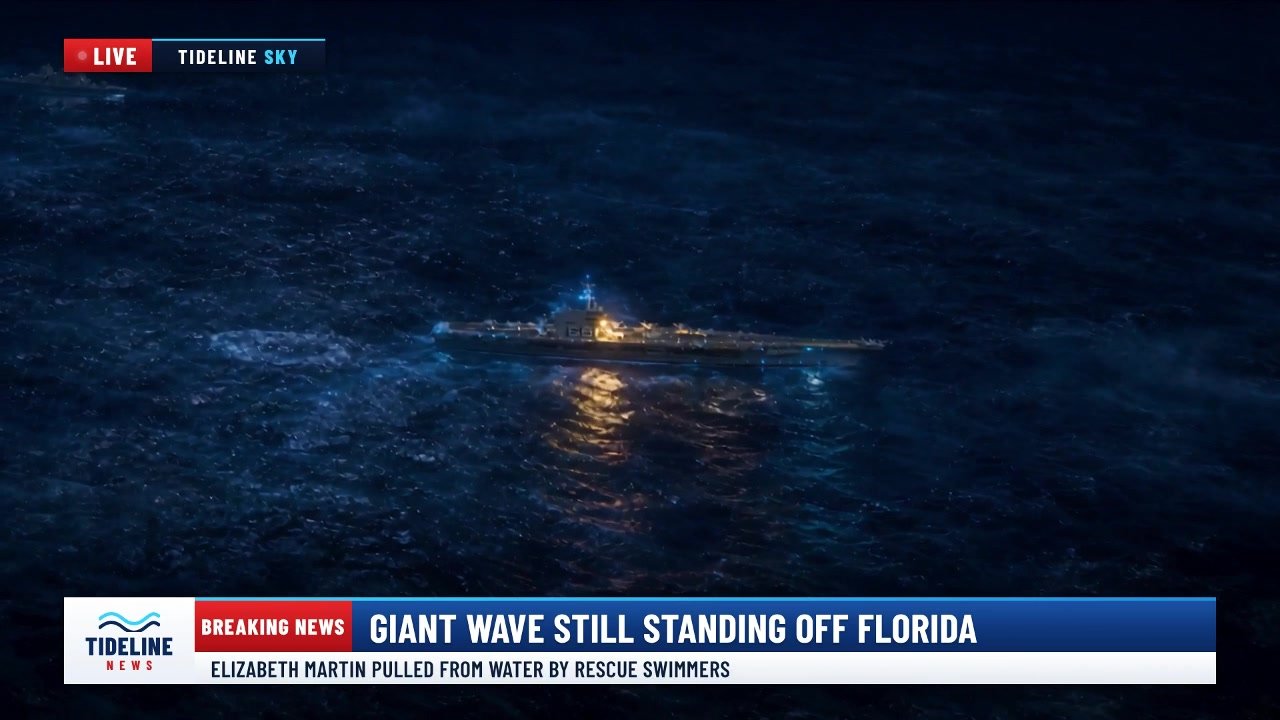
Unreal established the geography. A roughly 2.3 km wave and seven-ship fleet supplied the scale cues. Reusable ship geometry supported different camera positions.

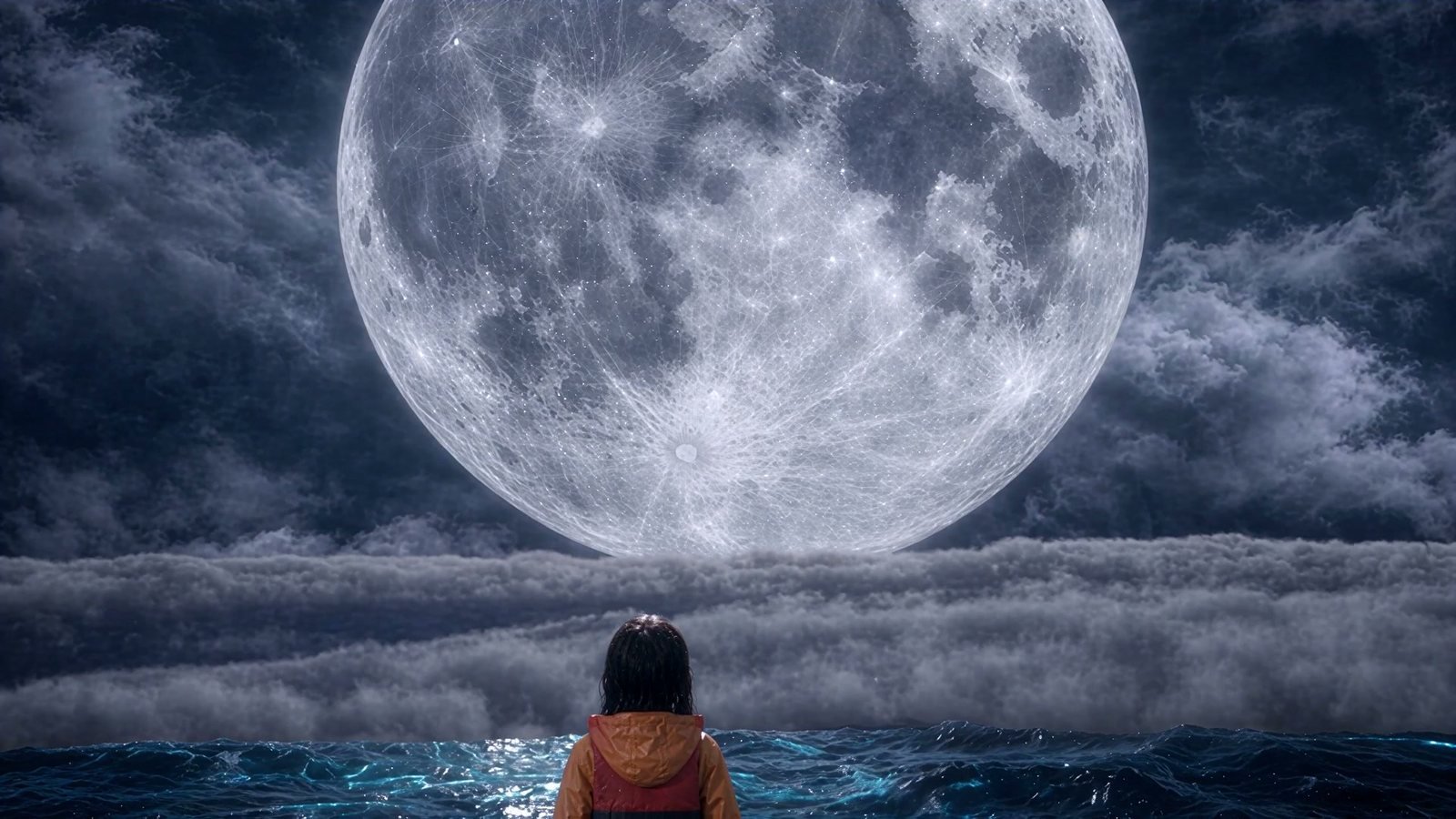
The final image developed the look. Cloud cover, foam, spray and surface detail were directed through reference images and AI generation. The Unreal ocean served previsualization, rather than a finished fluid simulation.
02 / Ship layout

A modeled ship makes the orbit repeatable

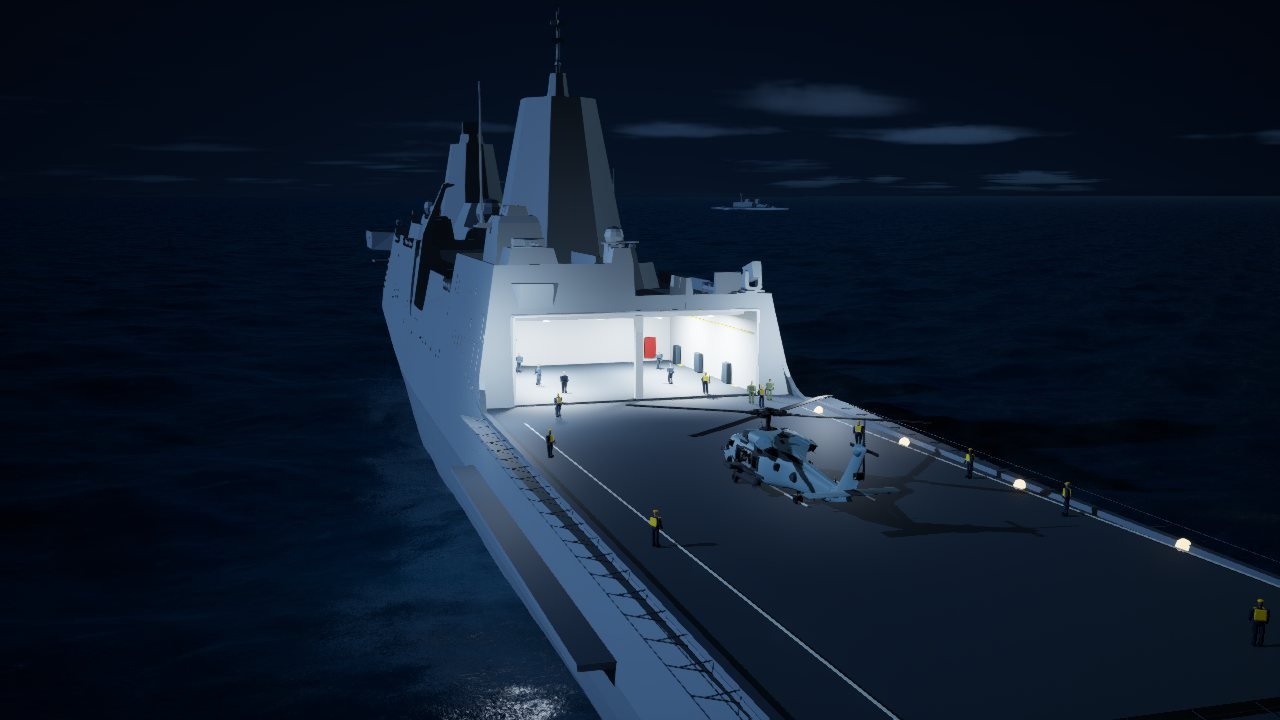
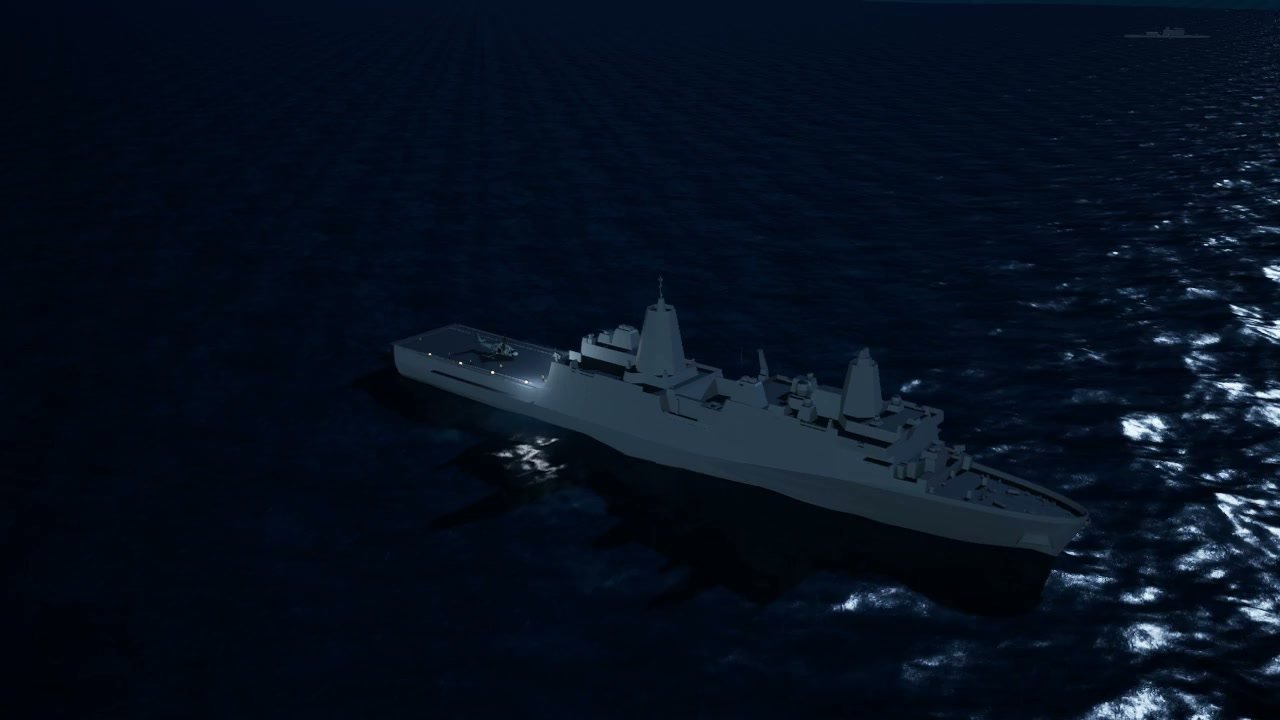
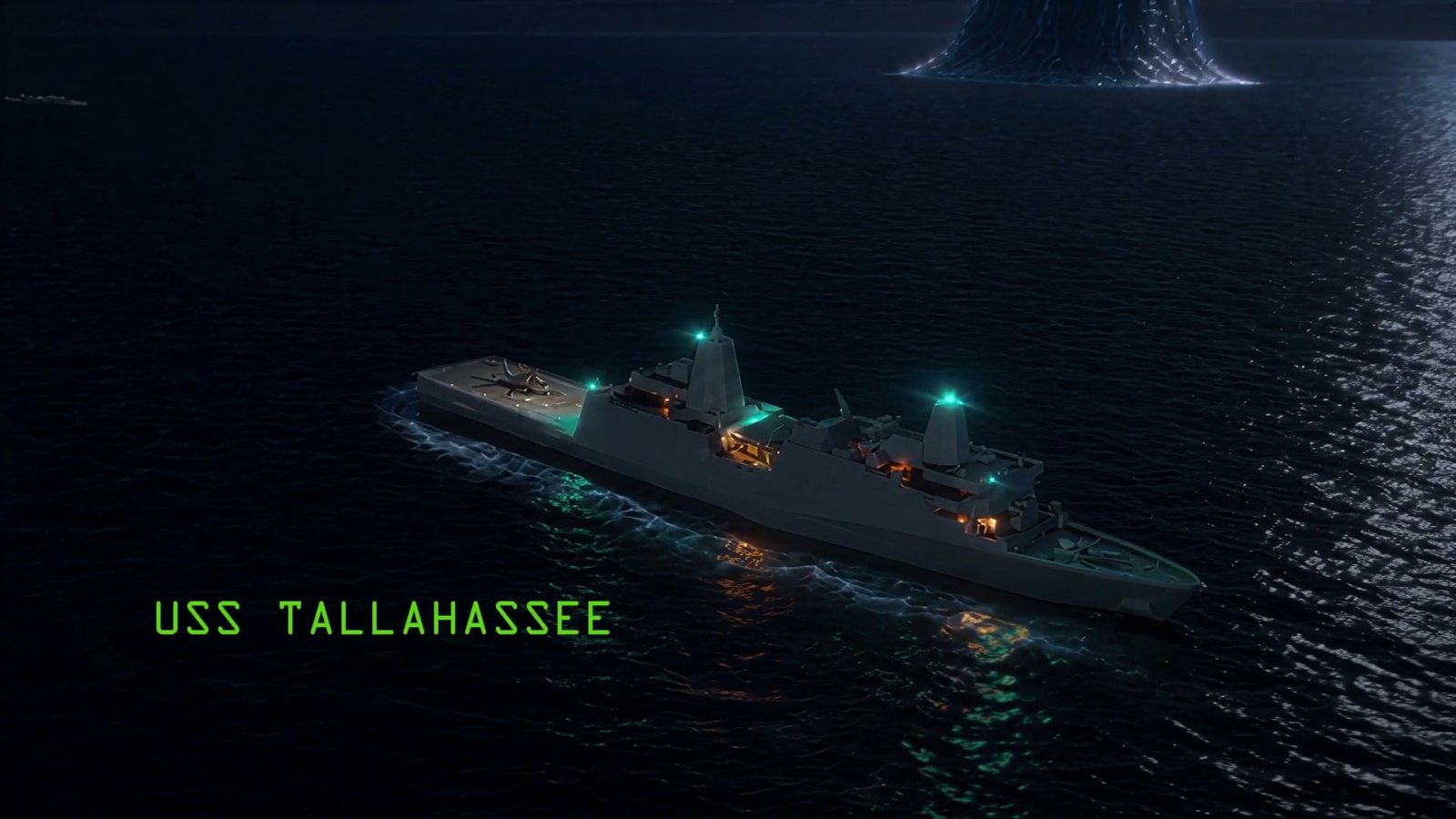
The San Antonio LPD model anchored deck proportions, the parked Seahawk, approach angles and the relationship between the ship and sea.

Unreal animaticUnreal animatic
Final film 00:04.75Final film 00:04.75
Unreal deck studyUnreal deck study

Reusable geometry, adjustable coverage. The LPD was prepared from a supplied model, scaled and brought into Unreal. A separate open-stern variant supported the boat-launch setup. The orbit could be revised without rebuilding the ship for each angle. Deck, hangar and aircraft remain concrete landmarks.

03 / Blocking

From a populated boat to the wave

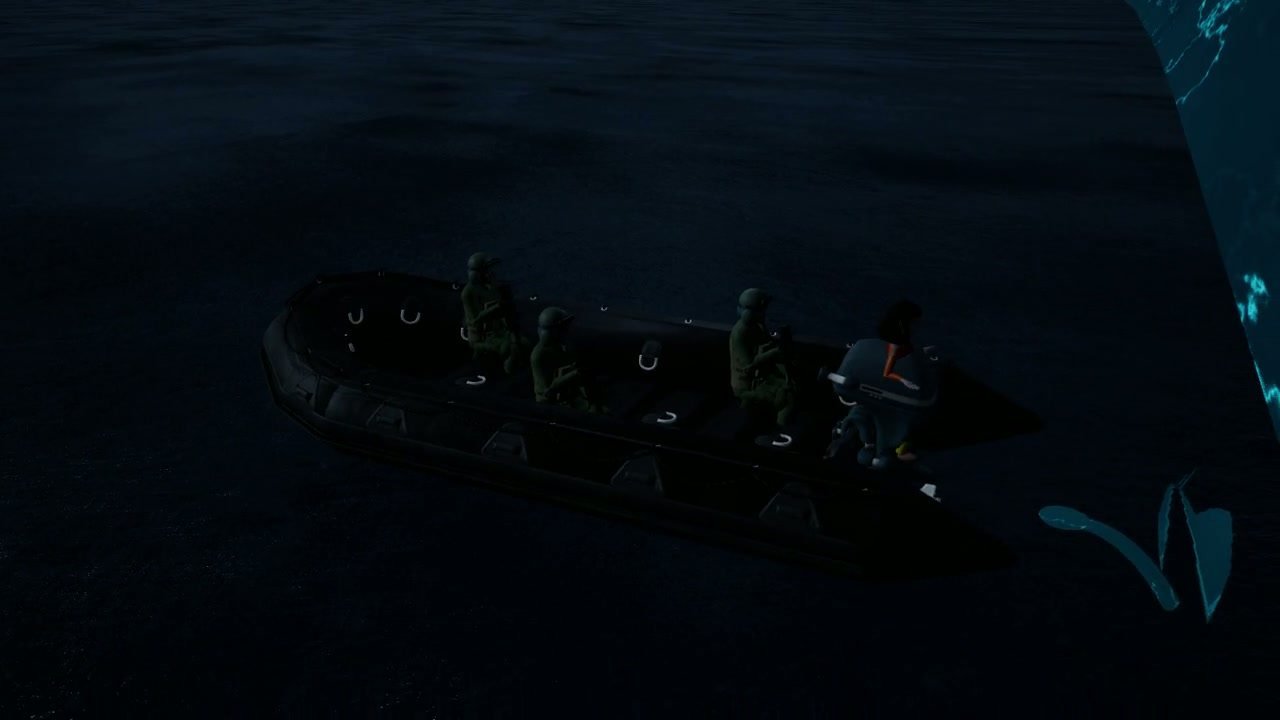
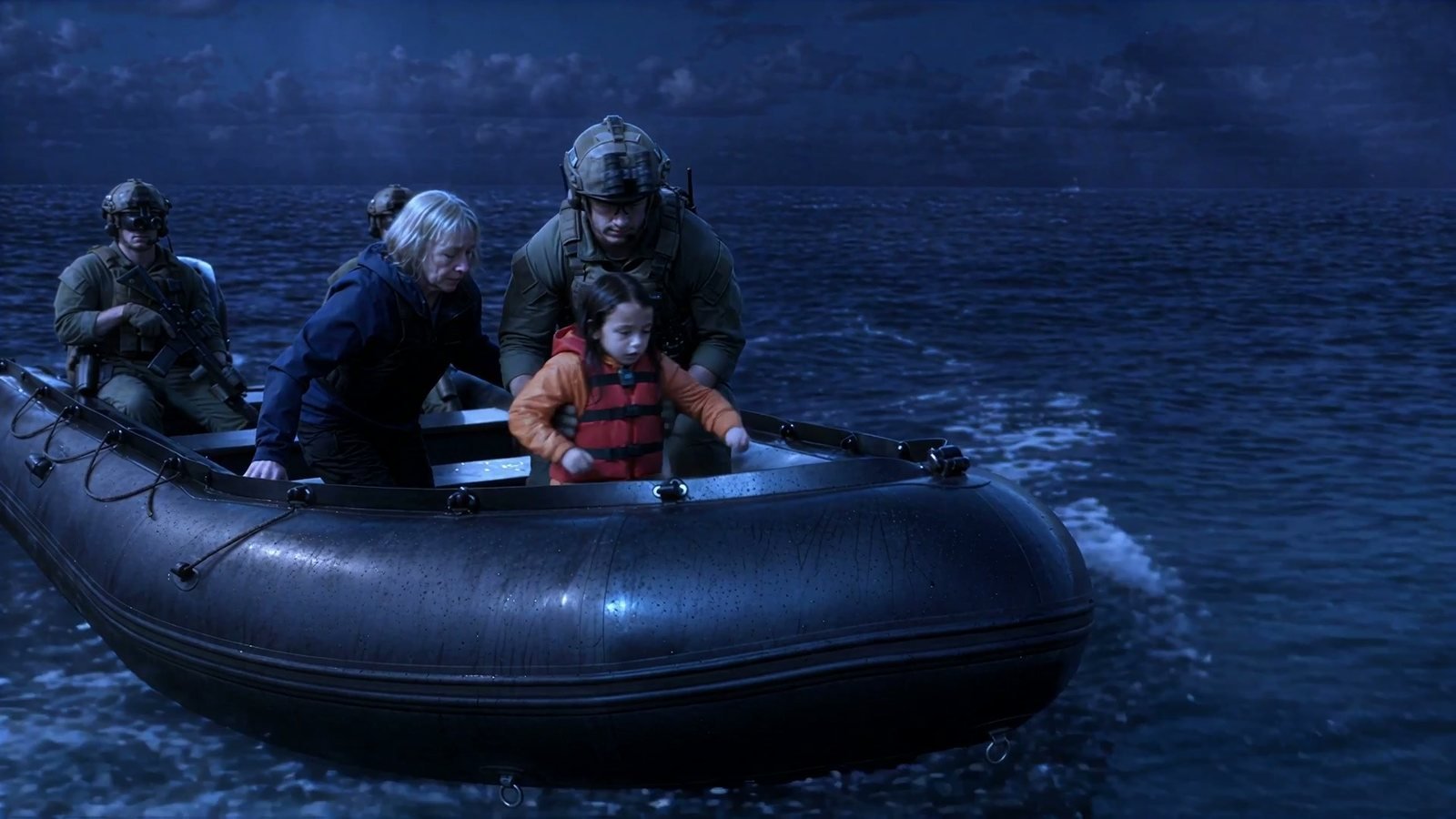
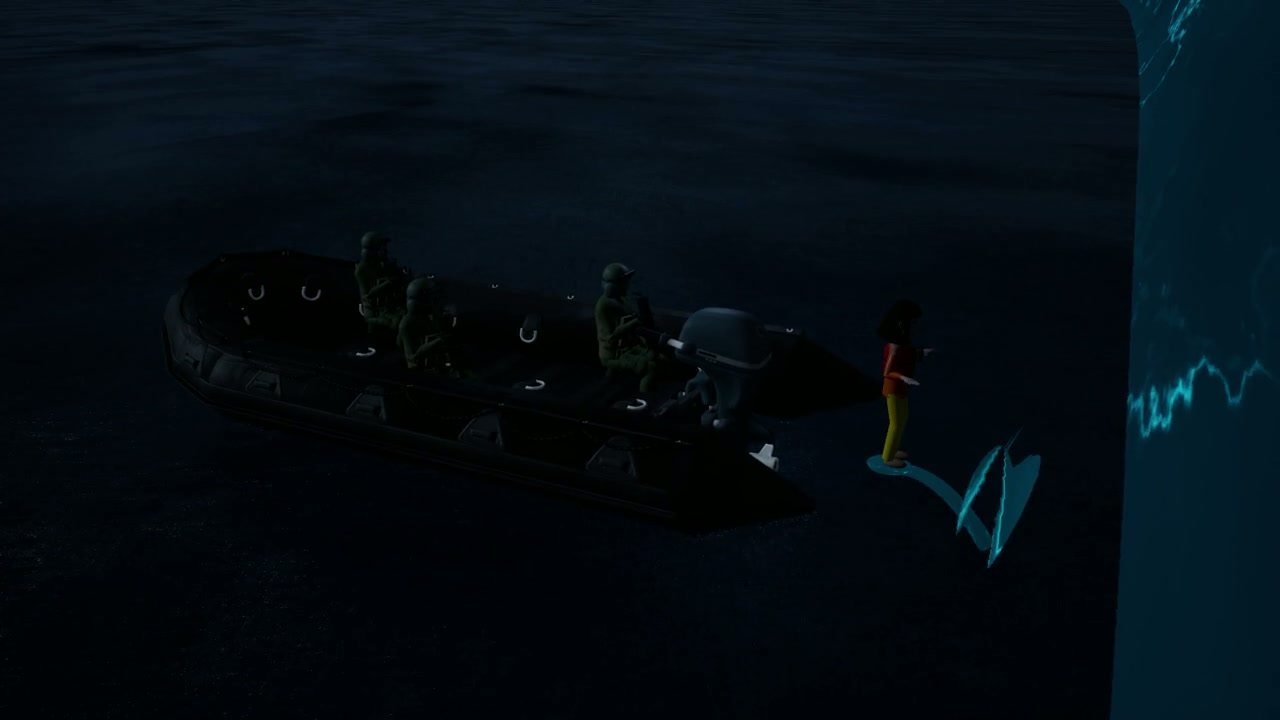
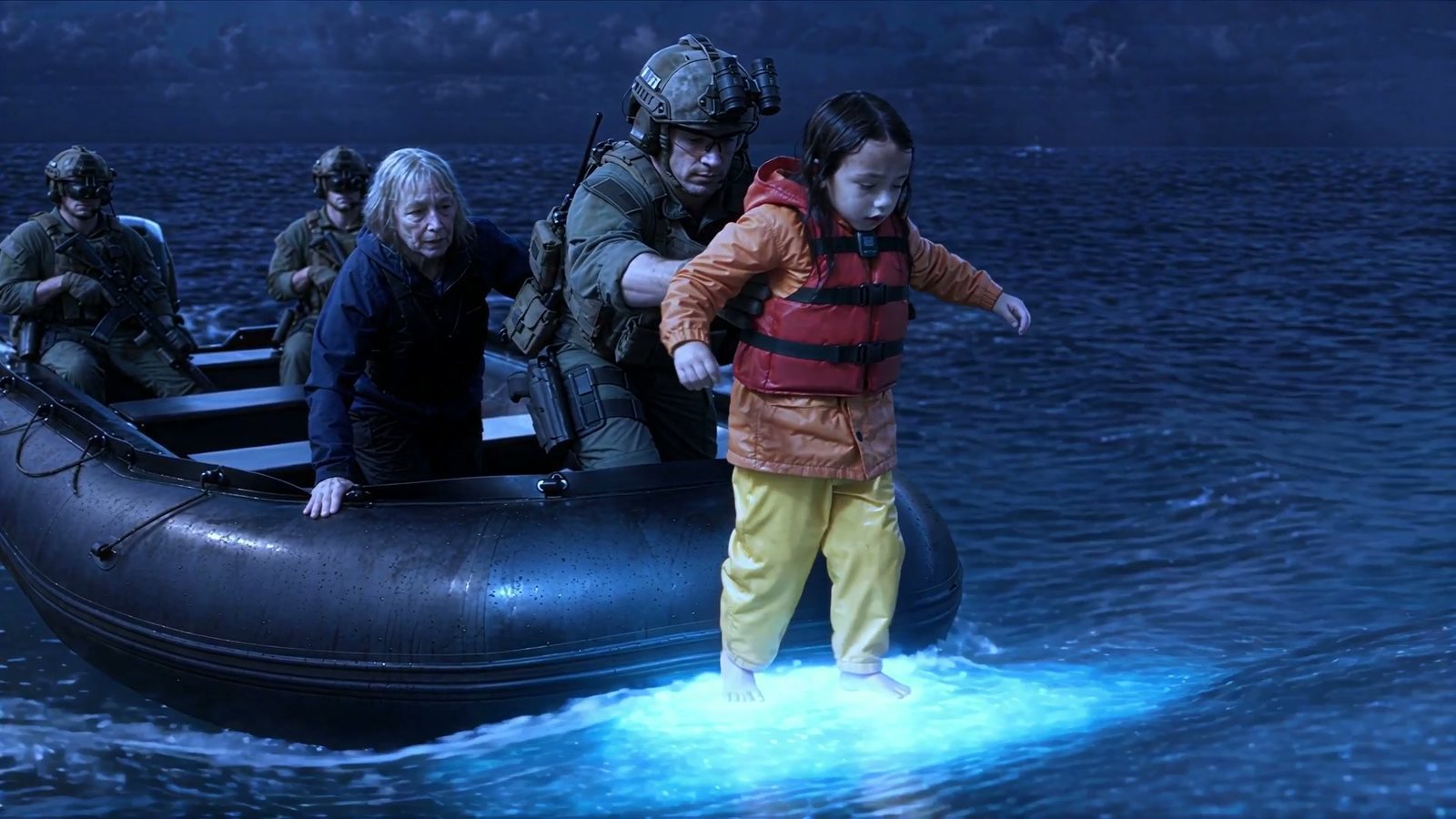
The rubber boat, passengers and Amy shared the same staging. Her first step could be evaluated against the boat edge and the emerging water path.

Unreal animaticUnreal animatic
Final filmFinal film
Unreal first stepUnreal first step
Final 00:54Final 00:54

The useful constraint was contact. The stand-ins established who occupied the boat, where Amy stepped off and how the camera followed the ascent. The final shot replaced proxy anatomy and water materials while retaining the story action.

04 / Virtual filming set

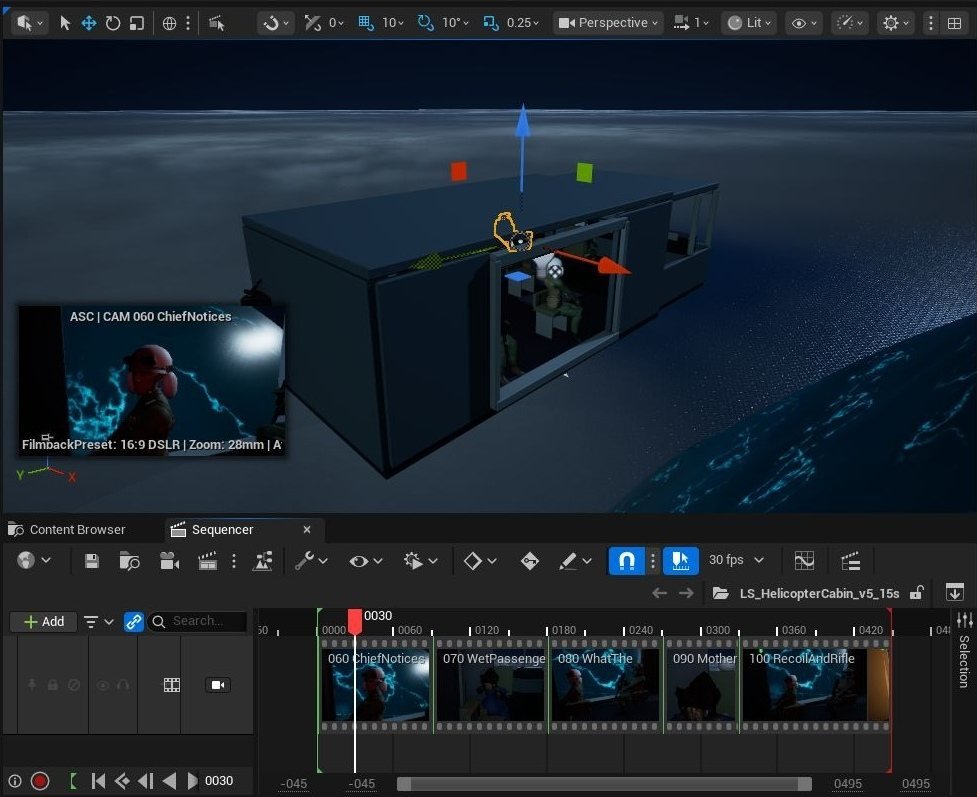
The helicopter interior was a flying box

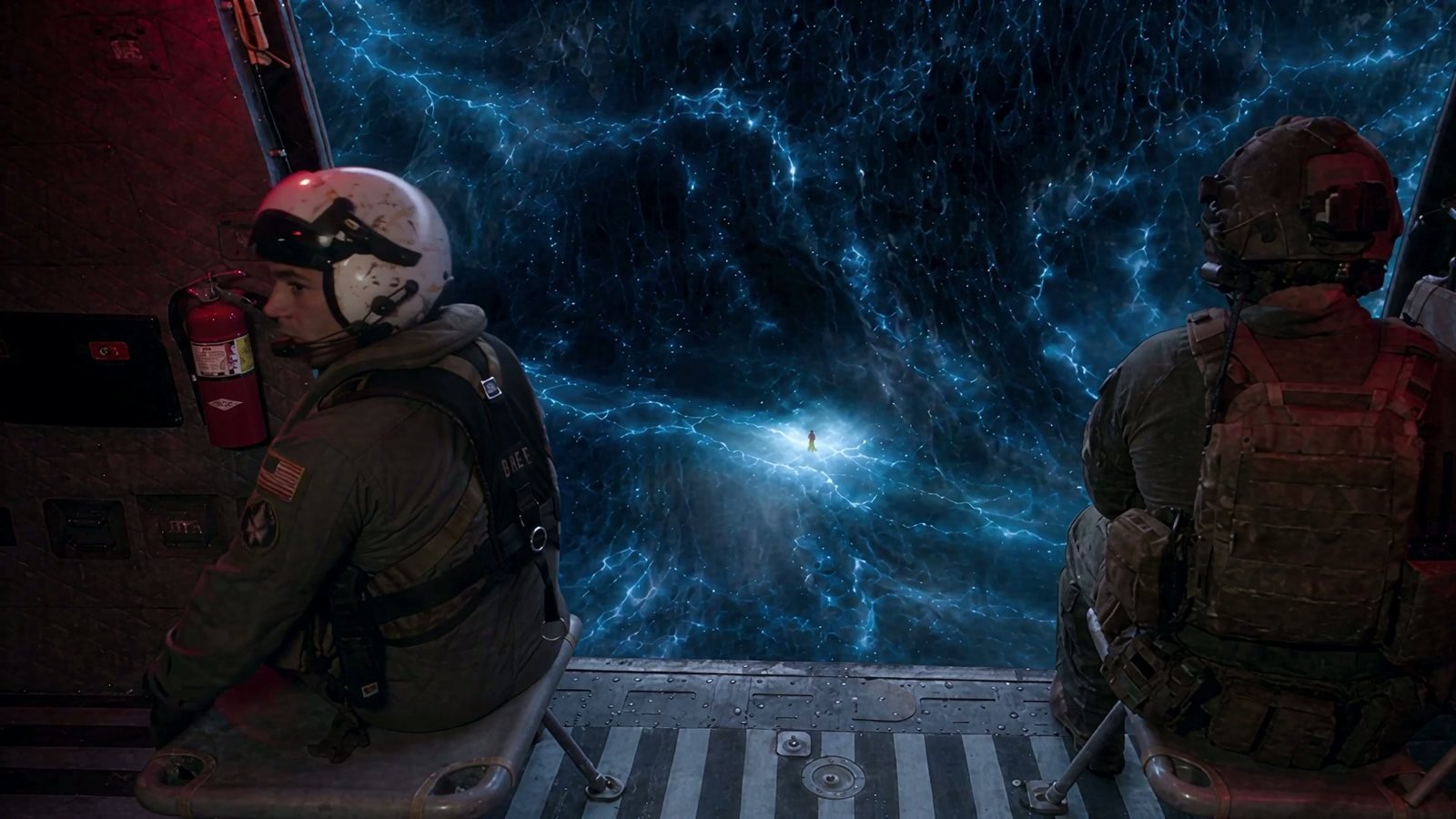
A separate cabin set gave the camera room to work: seats, doorway, crew, Mother and a view of Amy on the wave outside.

Actual Unreal editorActual Unreal editor
Final film 01:15Final film 01:15

Build for the lens. The exterior aircraft and interior filming set were separate. The selected camera and its preview show how the interior coverage was composed inside a simple box suspended beside the wave.

05 / Action and camera

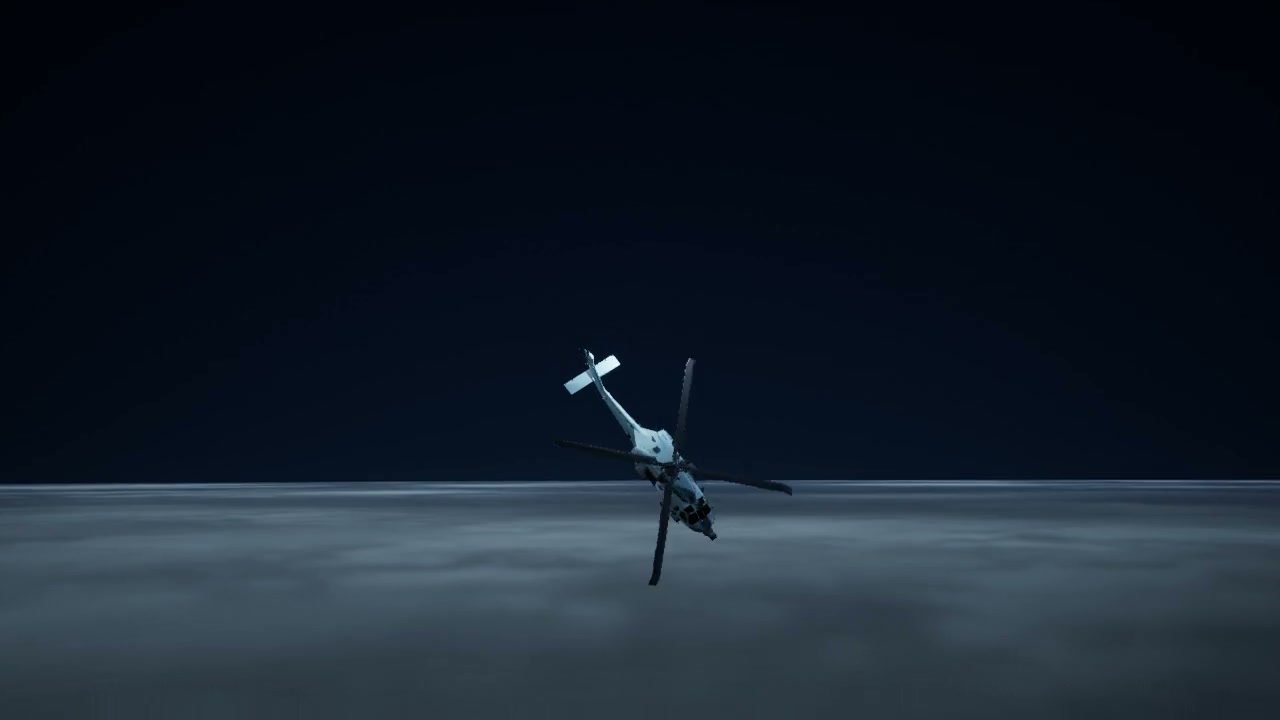
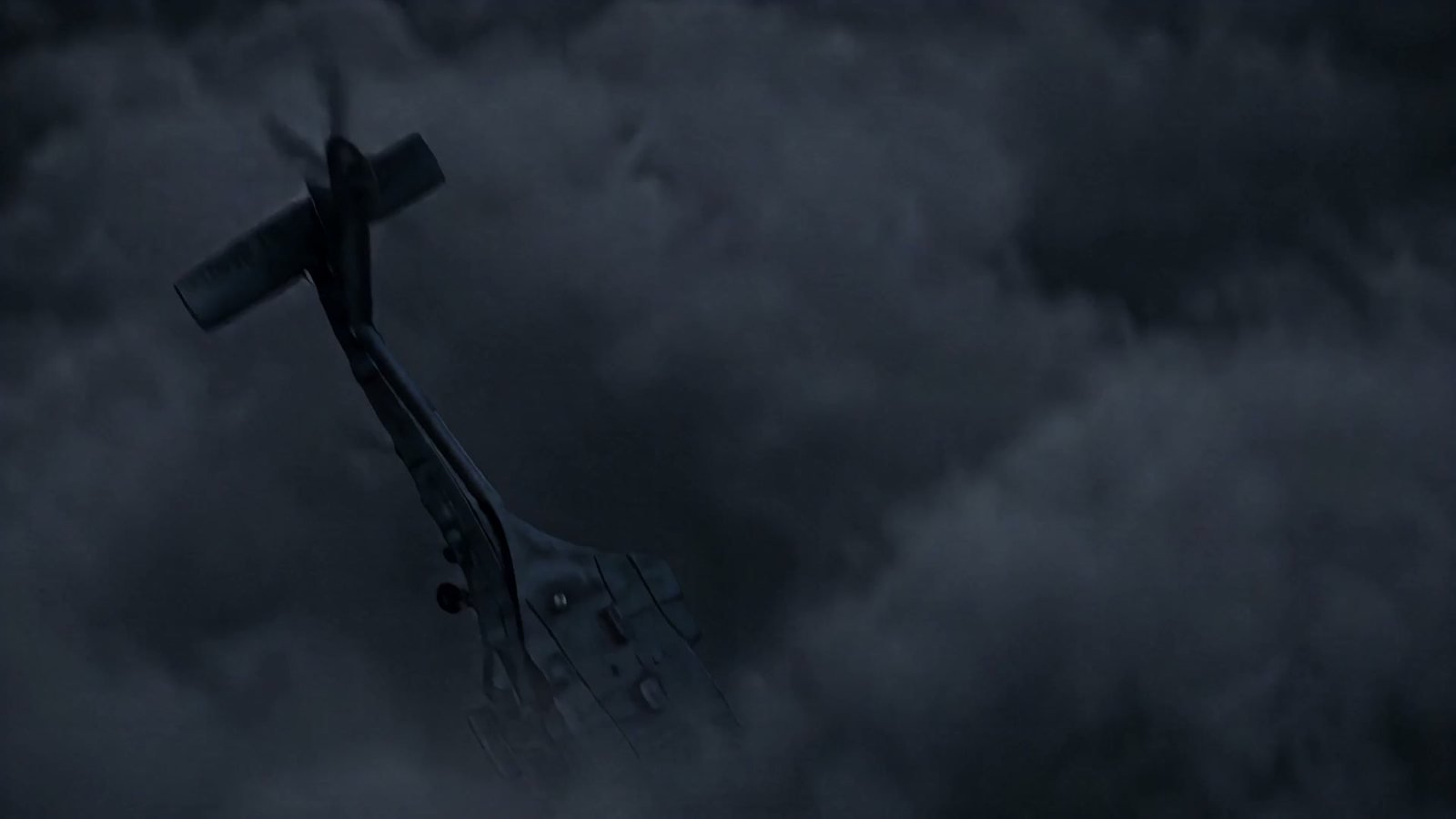
Choreographing the Seahawk descent

The helicopter bank, accelerating dive and camera response were staged as an editable sequence before the final crash scene was generated.

Unreal animaticUnreal animatic
Final filmFinal film

Unreal controlled the action arc. Separate rotor components, aircraft transforms and camera keys established the exterior movement. Cloud occlusion gave the descent a clear visual destination.
The final supplied atmosphere and detail. The finished shot adds realistic aircraft surfaces, dense clouds and darkness. It follows the descent beat; the framing and timing are not a frame-for-frame render of the animatic.

06 / Shot sequencing

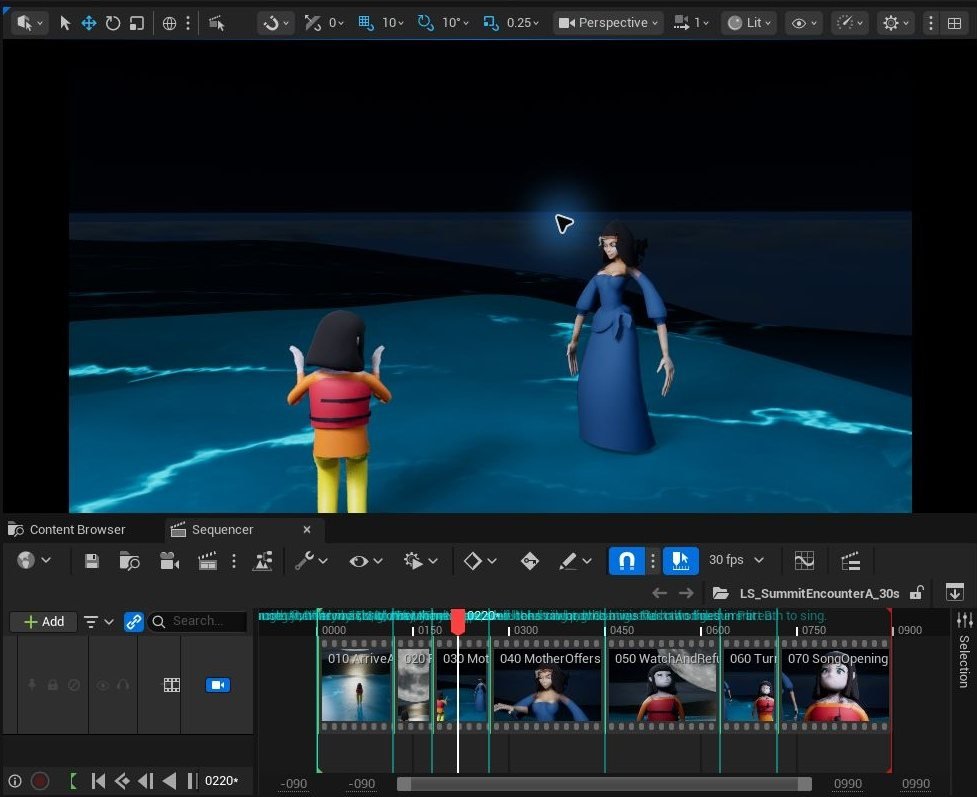
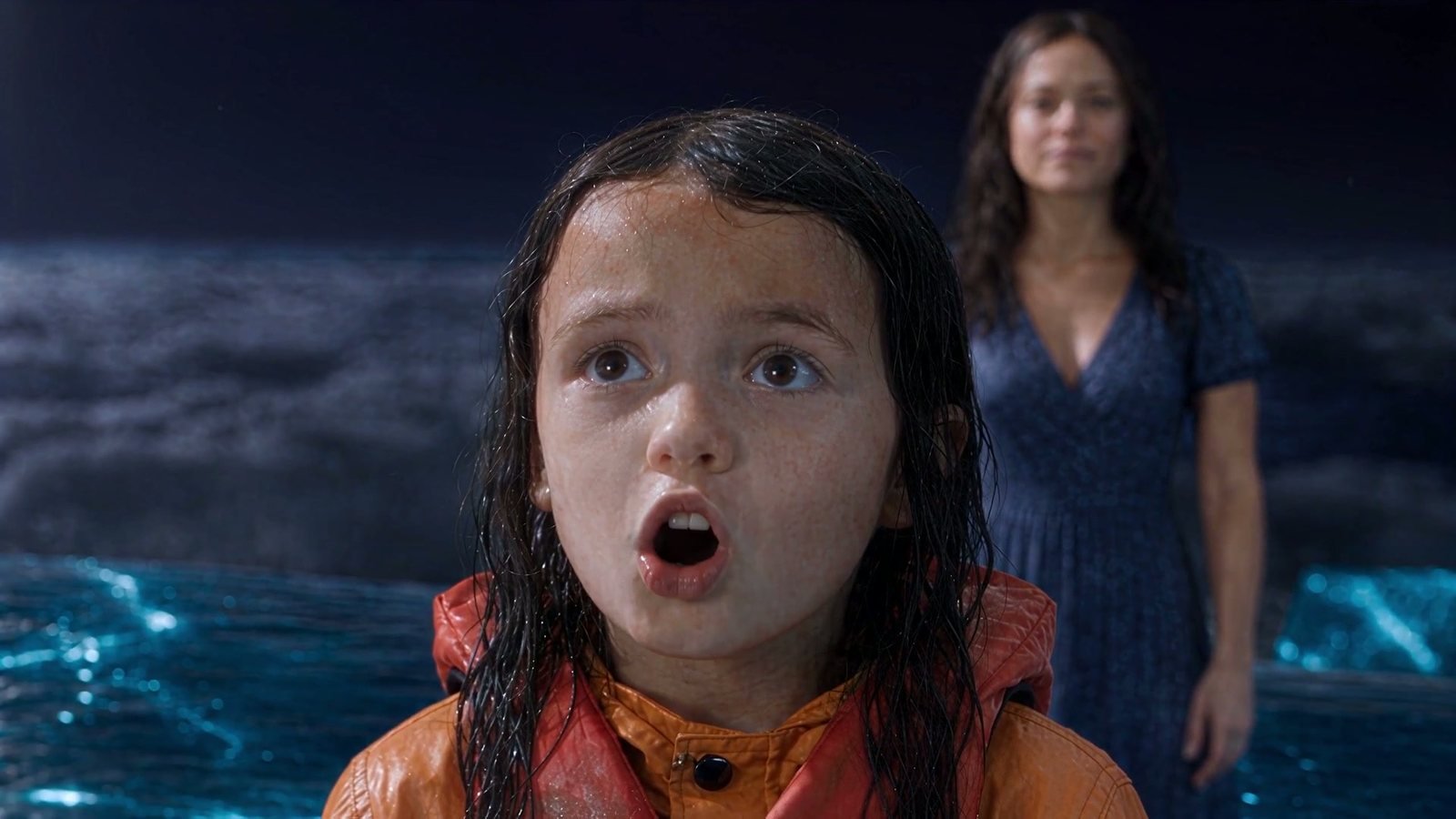
A summit scene that could be rehearsed

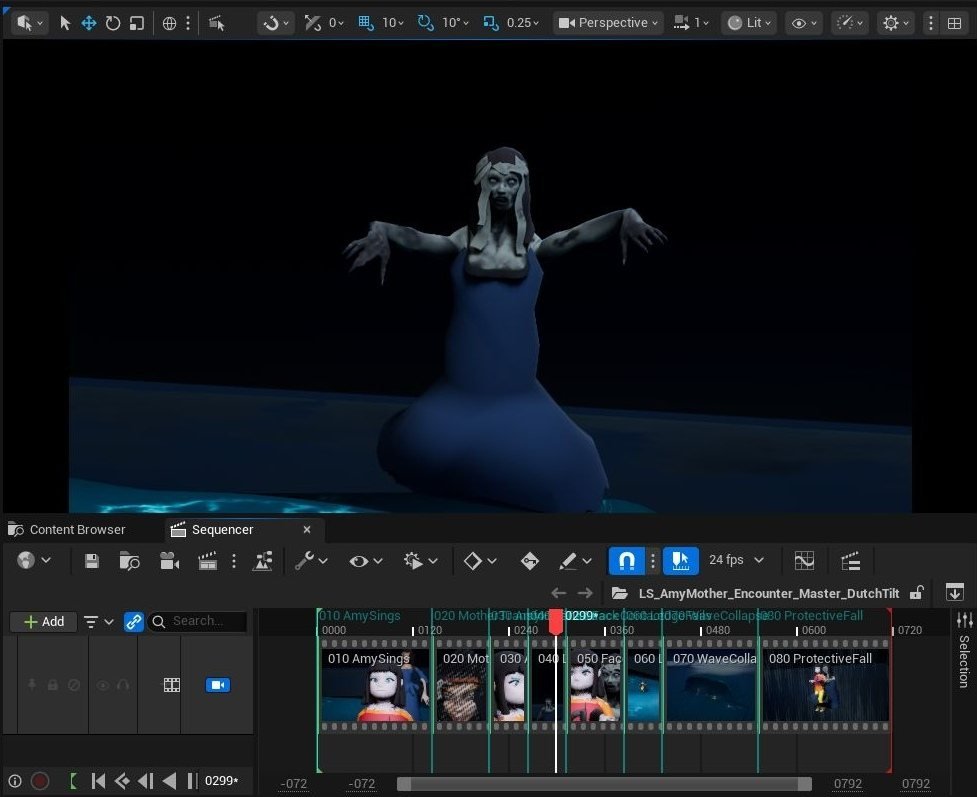
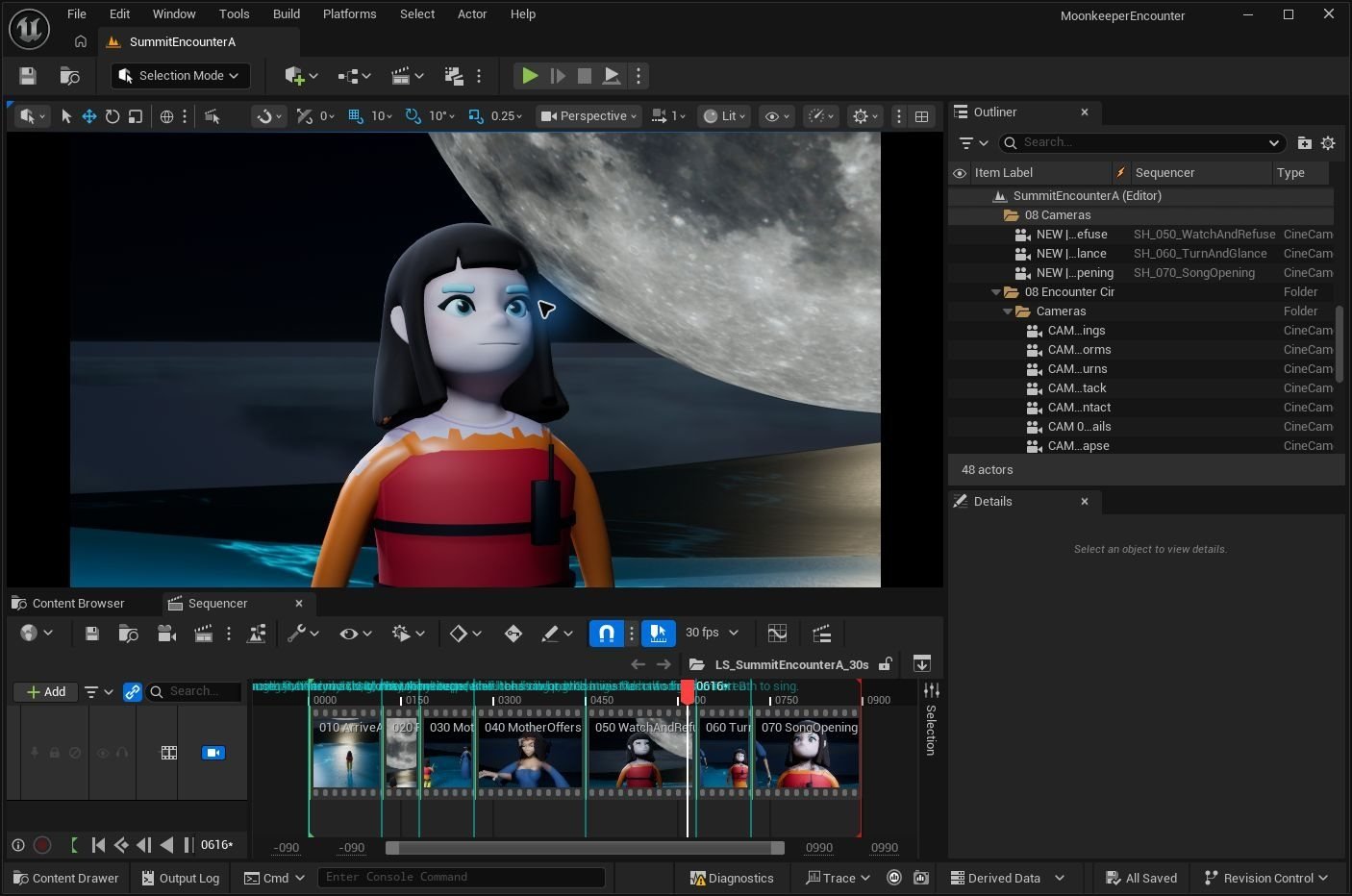
Mixamo-based Amy and Mother stand-ins made shot order, screen position, turn direction and camera coverage visible before final performances.

Actual SequencerActual Sequencer
Final film 02:10Final film 02:10

Sequencer held the scene together. The summit assembly moves from arrival and Mother's interruption to refusal and singing. Stand-in motion communicates intent; final human movement and expressions are directed separately.

07 / Character action

Timing the attack before generating it

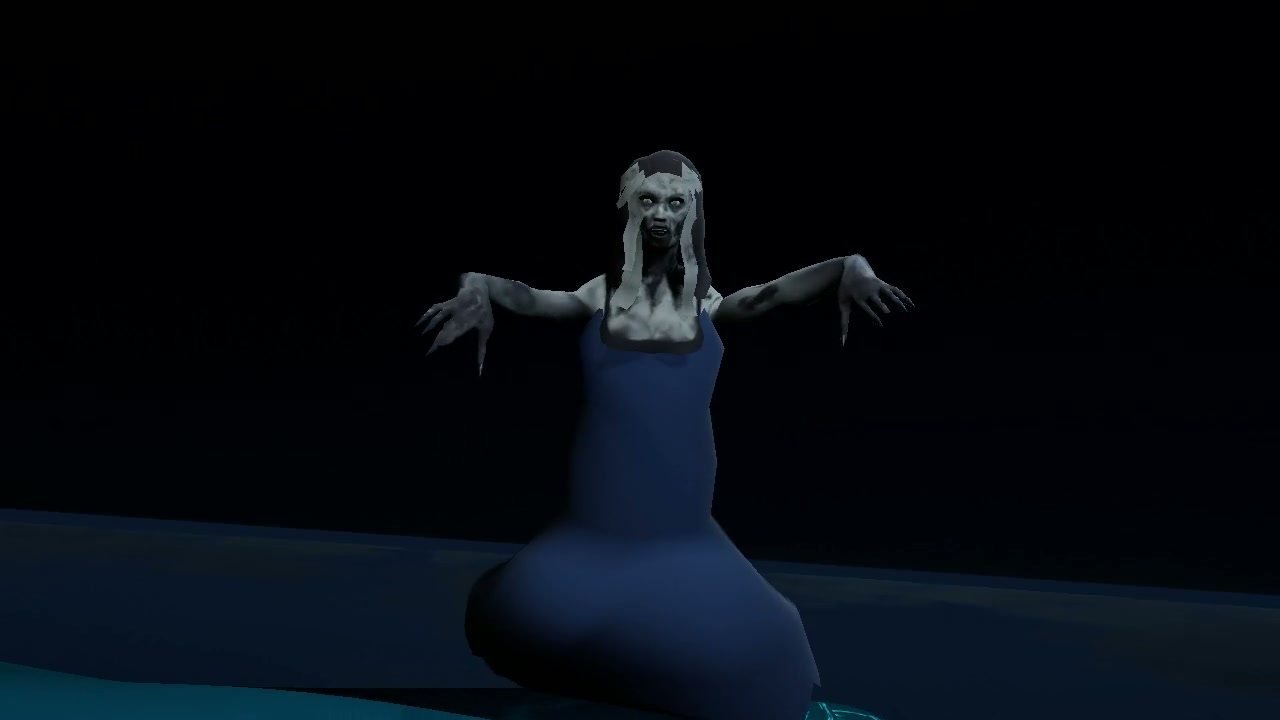
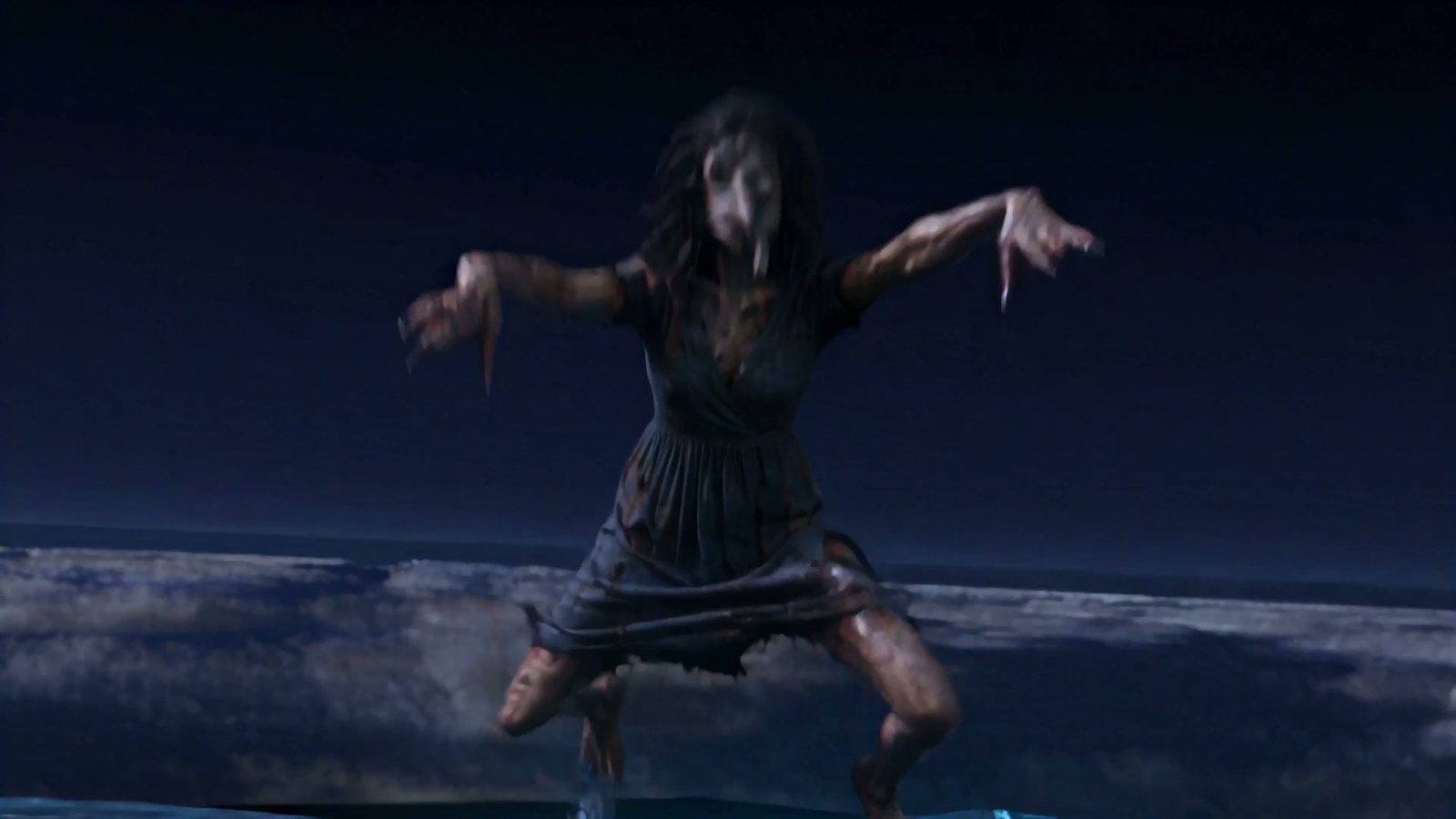
Human Mother and monster Mother were separate stand-ins. The attack, camera tilt and contact with Amy were tested as connected beats.

Unreal attackUnreal attack
Final 02:25Final 02:25
Unreal contactUnreal contact
Final 02:26Final 02:26
SequencerSequencer

Unreal was the place to inspect timing. The leap used authored skeletal animation and a ballistic trajectory. Unreal provided a place to inspect timing, distance and camera proximity before the final creature and performance were generated.

08 / From layout to final

Keep the structure. Change the surface.

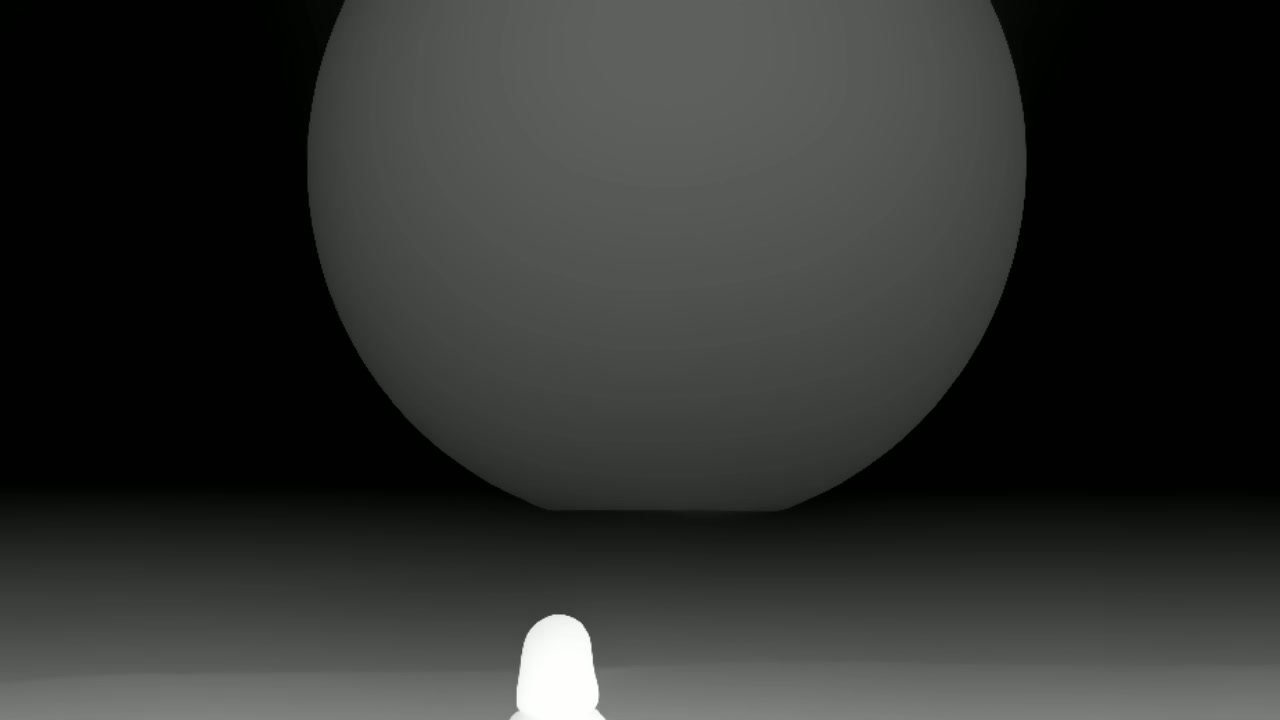
Depth-map versions of the Unreal animatics supplied spatial guidance while reducing the influence of simplified stand-in textures and materials.

01 Unreal animatic01 Unreal animatic
Stage it in 3DPlace the wave, moon, cast and cameras. Establish shot sizes, action order and screen geography.
02 Depth reference02 Depth reference
Pass on the spatial planConvert the rendered animatic to a depth-map video for the reference slot. Retain the broad composition and movement.
03 Final film03 Final film
Direct the final imageCombine the video guide with appearance references and prompts for realistic water, natural movement, lighting and atmosphere.

The depth video is a guide, not a performance lock. The production required iteration when generated shots copied stiff poses or froze the water.

Live editor captureLive editor capture

What Unreal contributed

  • An editable world with consistent scale.
  • Reusable ships, aircraft and filming sets.
  • Camera coverage tied to character positions.
  • Sequenced action and reviewable animatics.
  • A source for depth-map video guidance.

Production notes

Unreal Engine 5.8: assembly, cameras, Sequencer and animatic rendering. Blender: asset preparation and authored animation. Mixamo: character stand-ins. Seedance 2.5 and image references: final image and performance generation.
Final frames and clip excerpts come from the 3-minute contest cut, except the carrier shot and the world and ship-orbit clips, which come from an earlier, longer cut. Unreal frames are production previs, not final renders. San Antonio base model by Aniket0s, CC Attribution (source); cinematic launch variant adapted for the project.

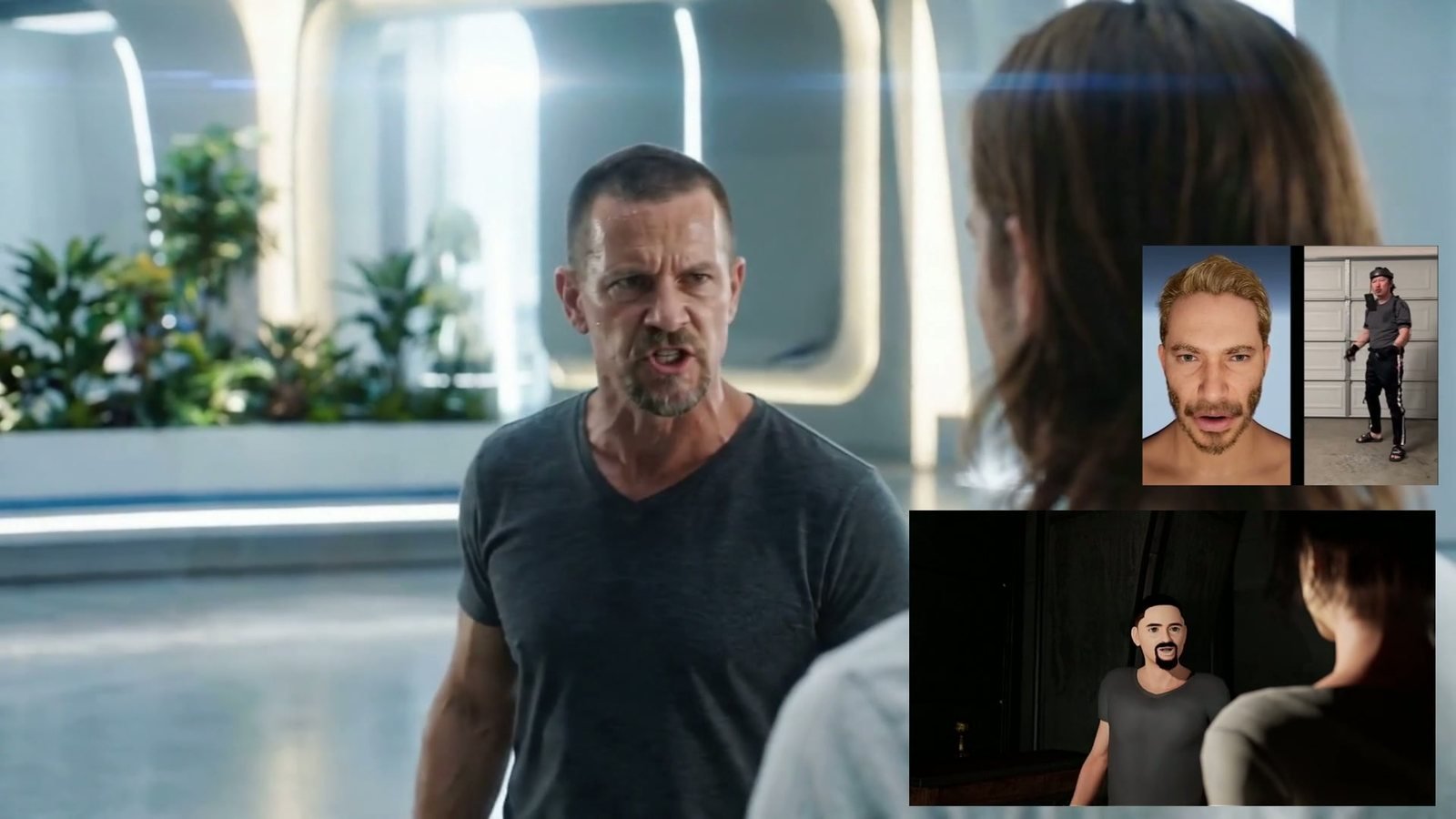
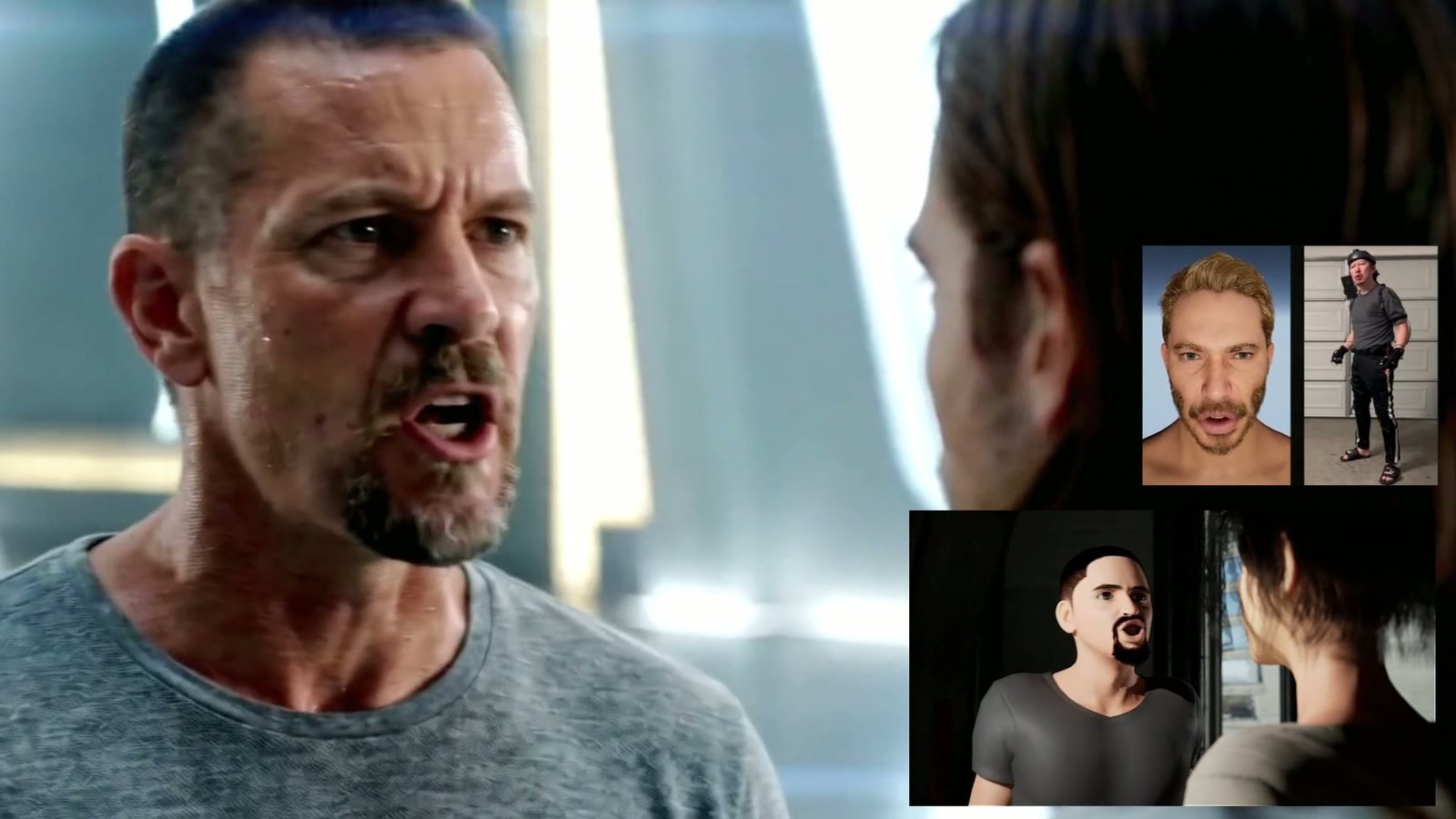
PerformanceMocap to 3D to AI

One performance. Revisable camera coverage.

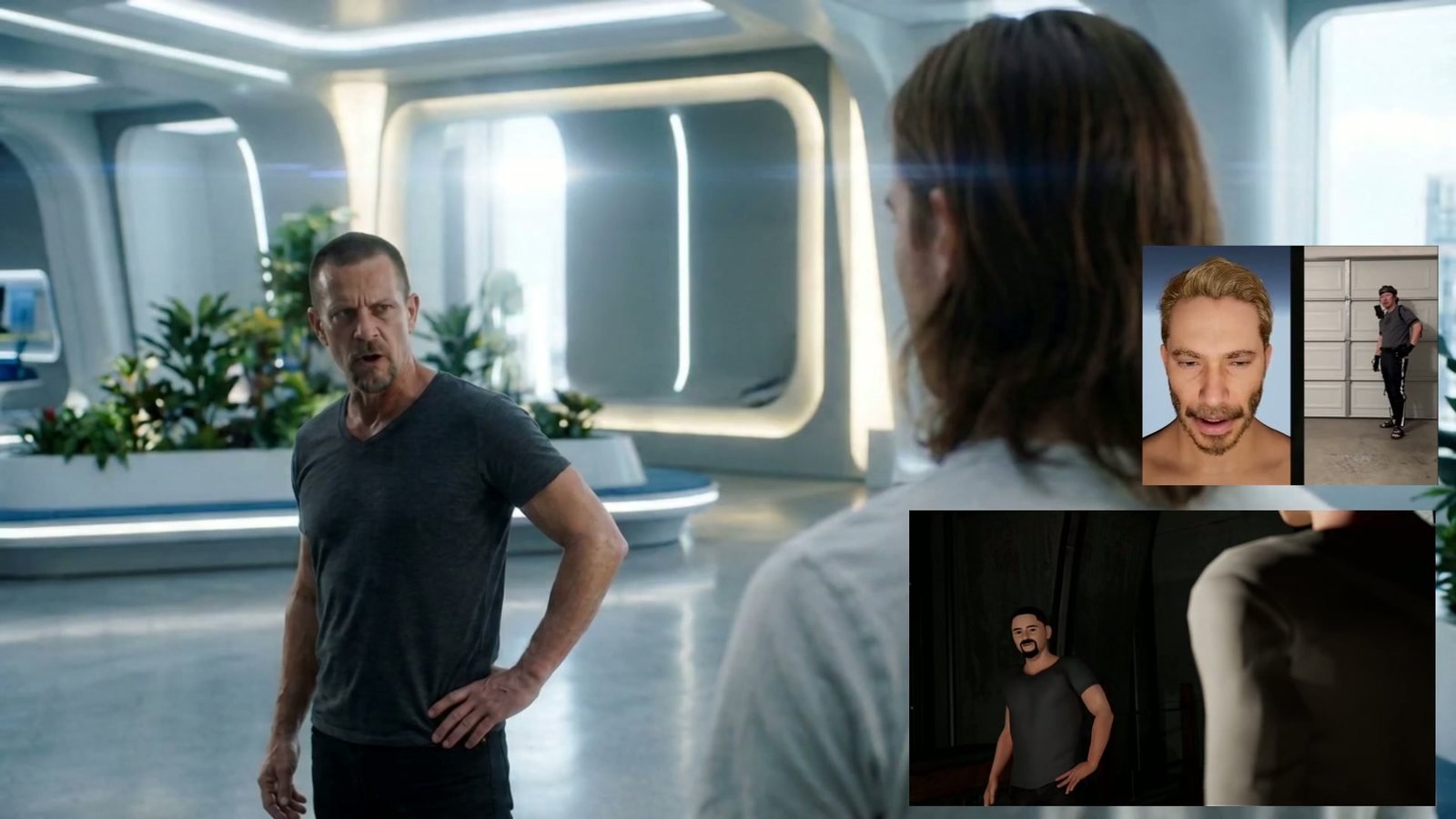
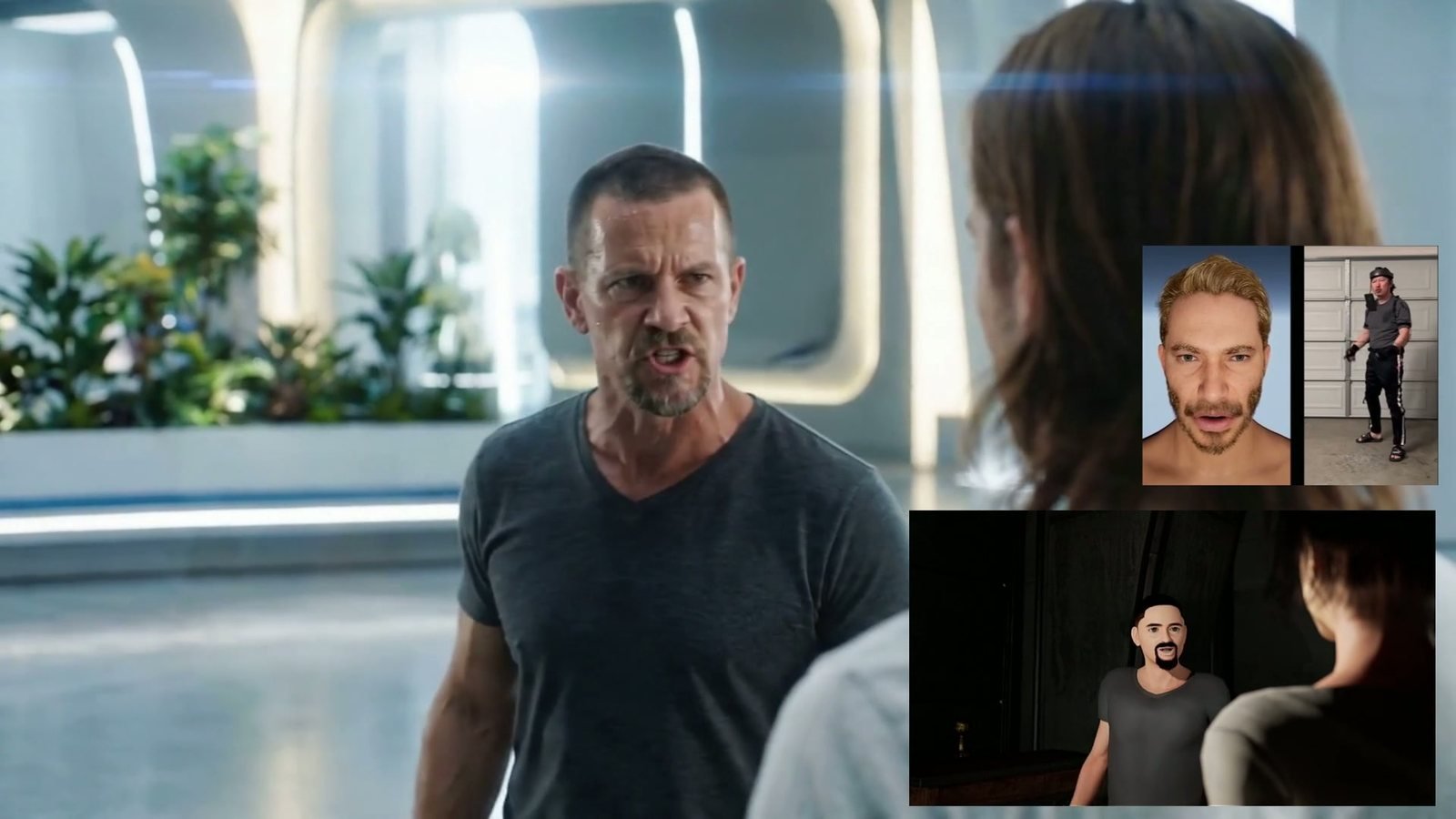
An in-house mocap performance becomes a staged 3D scene, then a Seedance shot. Camera placement can change while the source performance remains editable.

  1. 01CaptureMocap suit
  2. 02Solve the faceMetaHuman Animator
  3. 03Style the castReallusion
  4. 04Stage + shootUnreal Sequencer
  5. 05Generate the finishSeedance
00:01 / Wider staging
00:07 / Performance develops
00:13 / Tighter coverage

The comparison stays visible. Each frame retains the source face performance, body capture and 3D shot insets alongside the generated image.

A practical revision path. Adjust timing, framing or staging in the source scene, then regenerate and review the result against that intent.

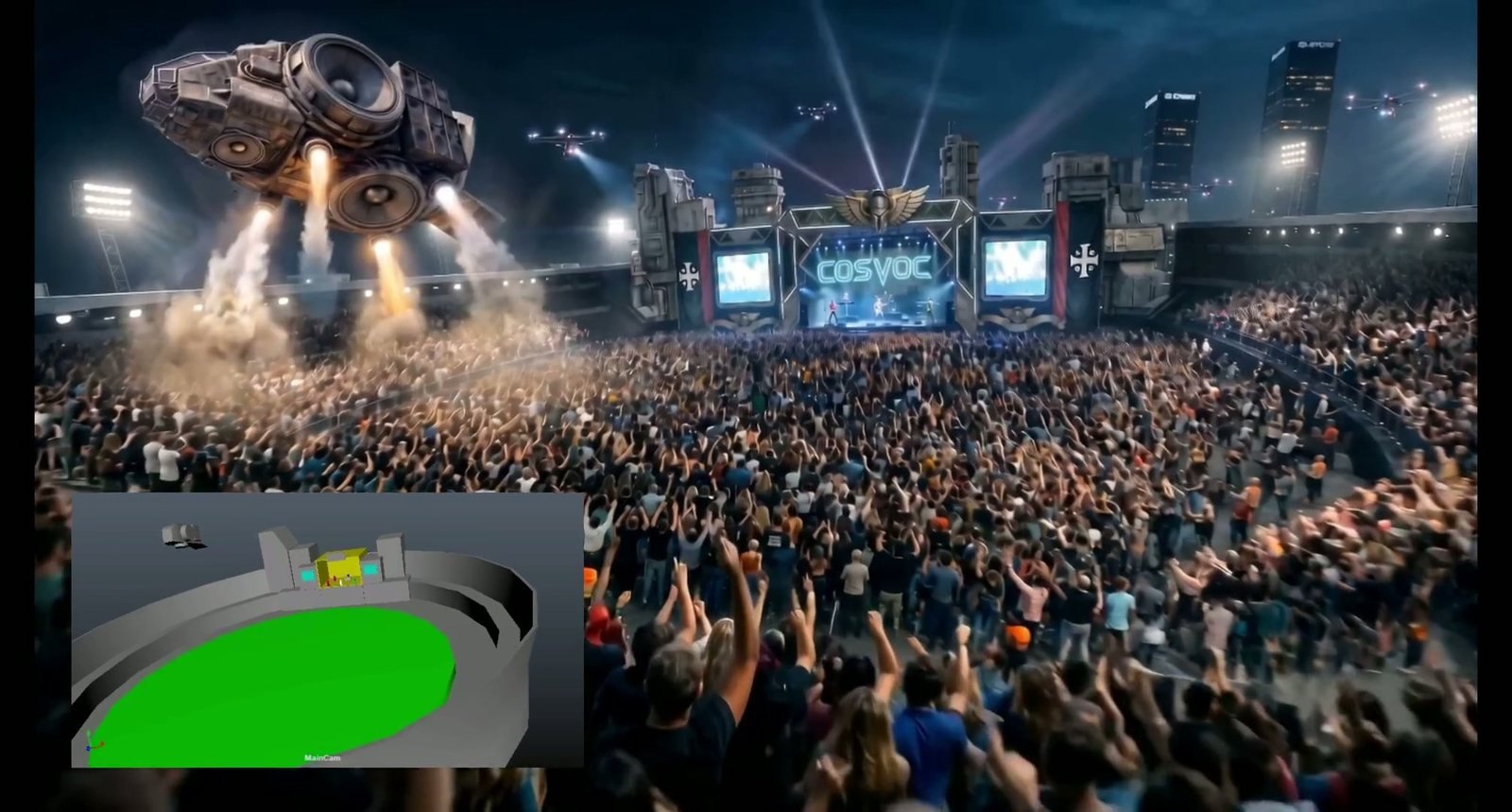
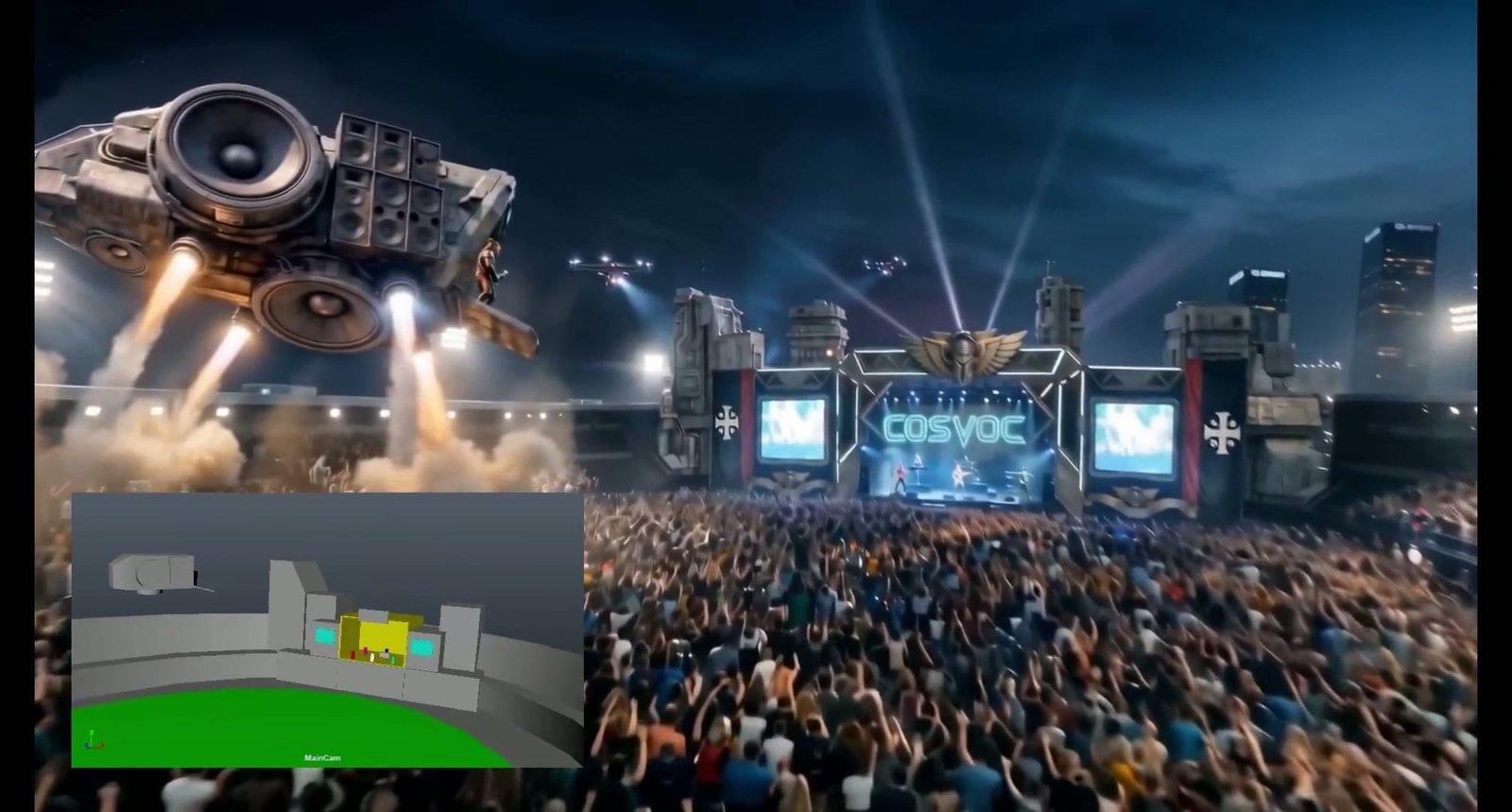
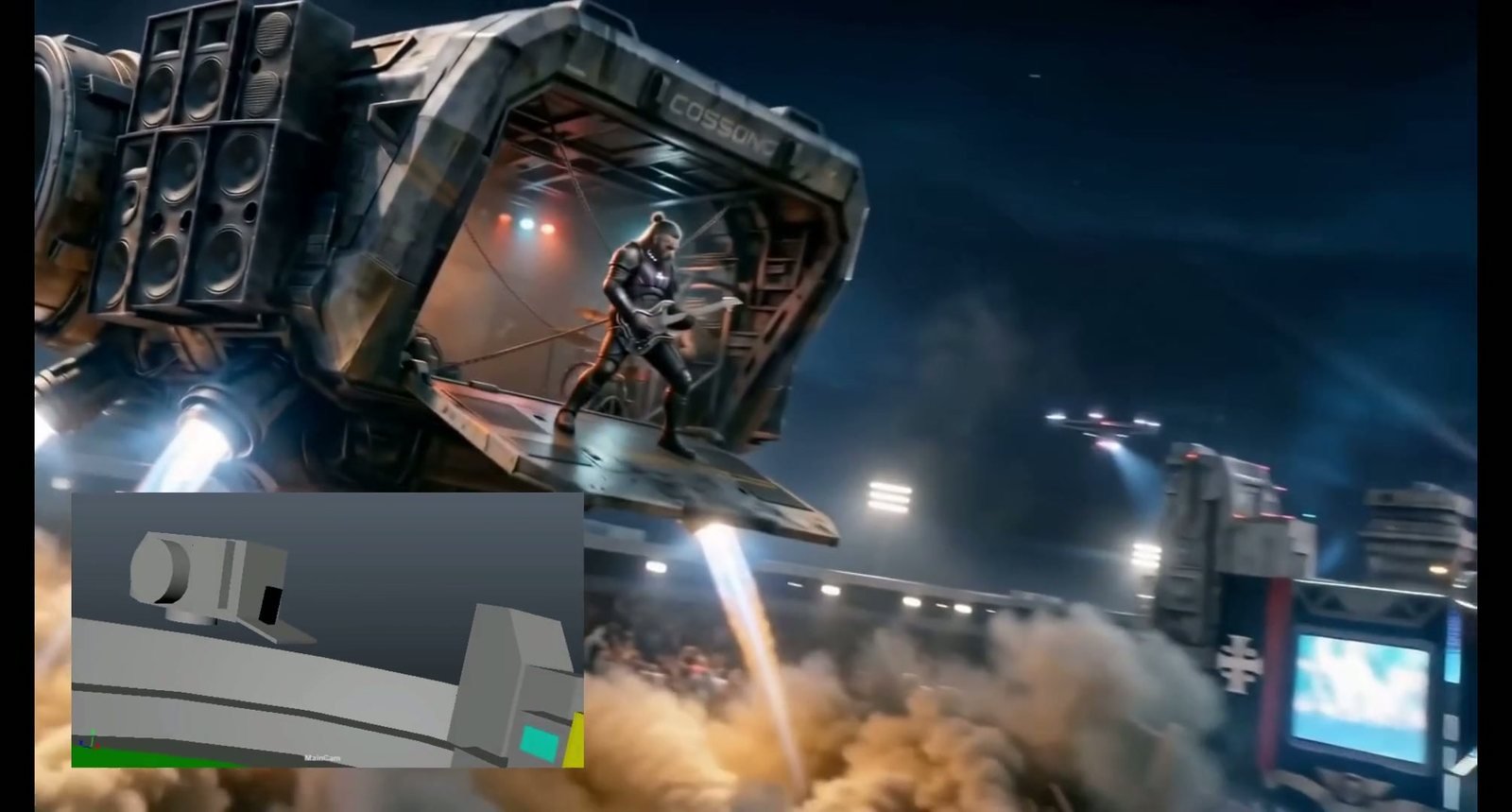
CameraMaya playblast to Seedance

Design the move before generating the crowd.

A sweeping concert shot uses a simple Maya scene to establish the camera path, perspective and destination before AI supplies the finished image.

01 / Establish
01 / EstablishCrowd, stage and aircraft share a clear spatial relationship.
02 / Approach
02 / ApproachThe camera advances and changes angle on an authored trajectory.
03 / Arrive
03 / ArriveThe close pass has a planned destination and a readable subject.

The greybox playblast remains inset in every frame. Its simple geometry makes the camera movement concrete; the generated version adds the audience, aircraft detail, lighting and atmosphere.

3D layout firstBlender and Unreal sets, then AI

Multi-shot sequences start as a 3D set in Blender or Unreal Engine. Camera, staging and set are locked before anything is generated, so every angle matches.

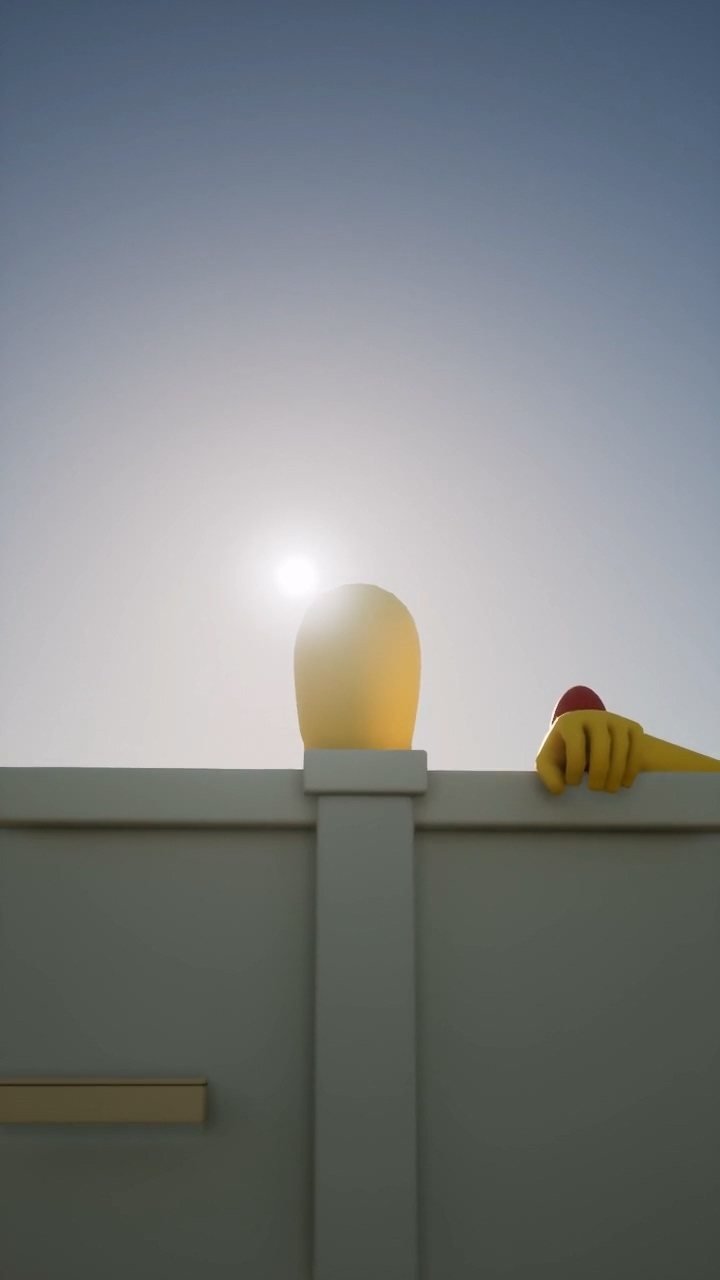
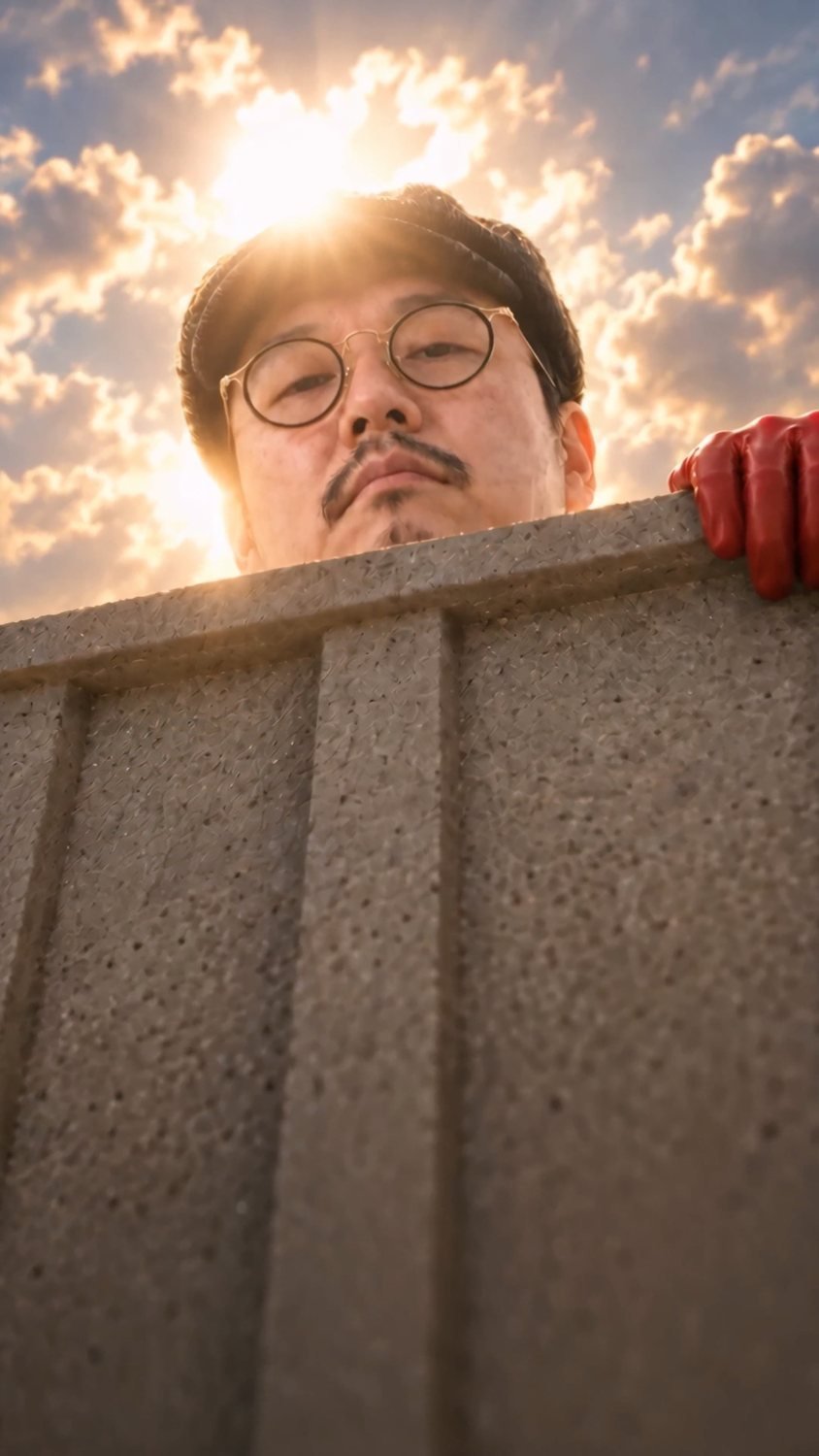
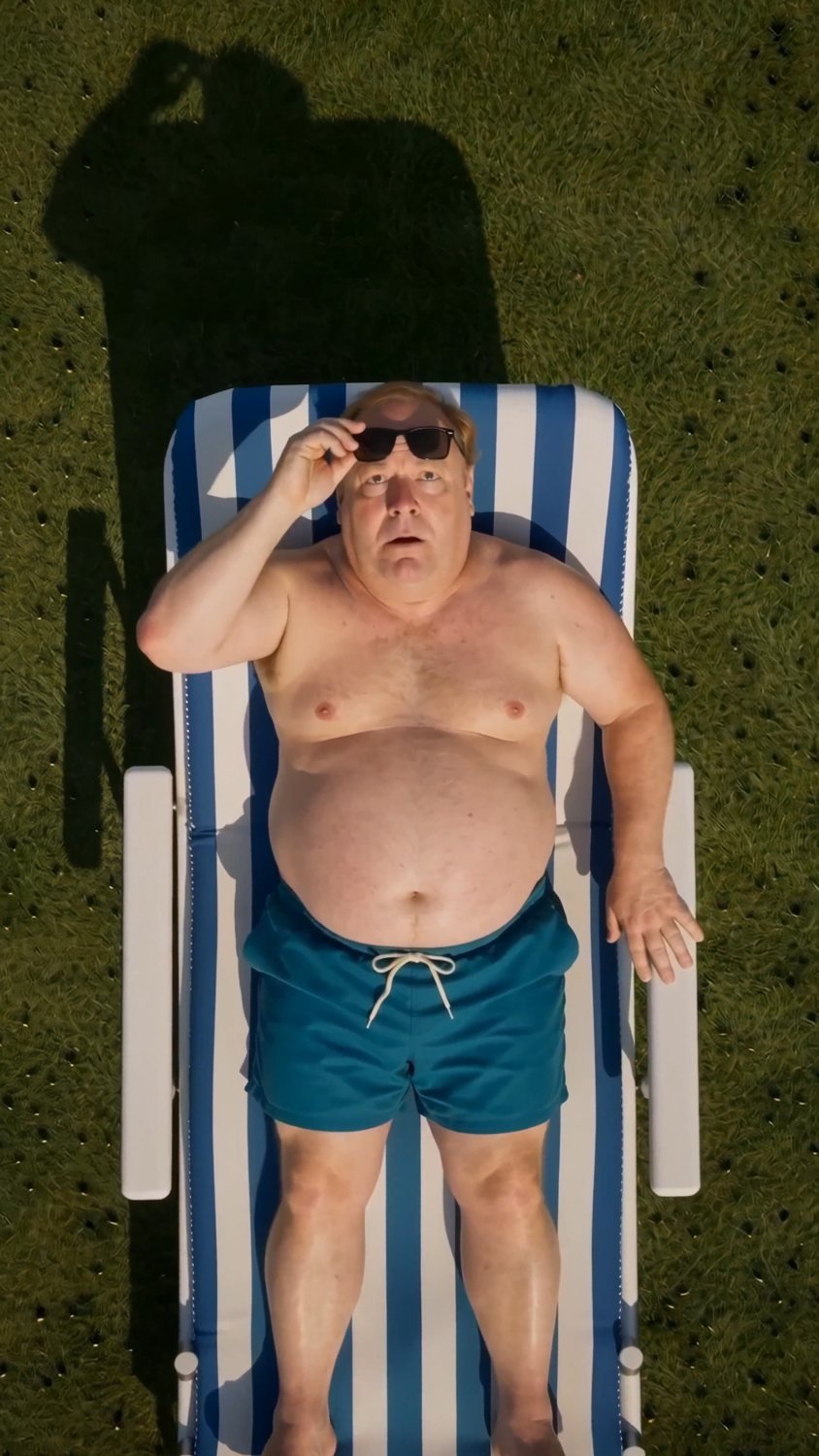
Attack on Suburb

Scale is the whole joke, so the giant, the houses and the street were sized and lit in Blender before a single frame was generated.

Watch the spot →
Blender layout: Camera angle, sun position and the giant's scale locked in the layout.Blender layout
Final: Camera angle, sun position and the giant's scale locked in the layout.Final
Camera angle, sun position and the giant's scale locked in the layout.
Blender layout: The final adds the giant's shadow across the lawn.Blender layout
Final: The final adds the giant's shadow across the lawn.Final
The final adds the giant's shadow across the lawn.

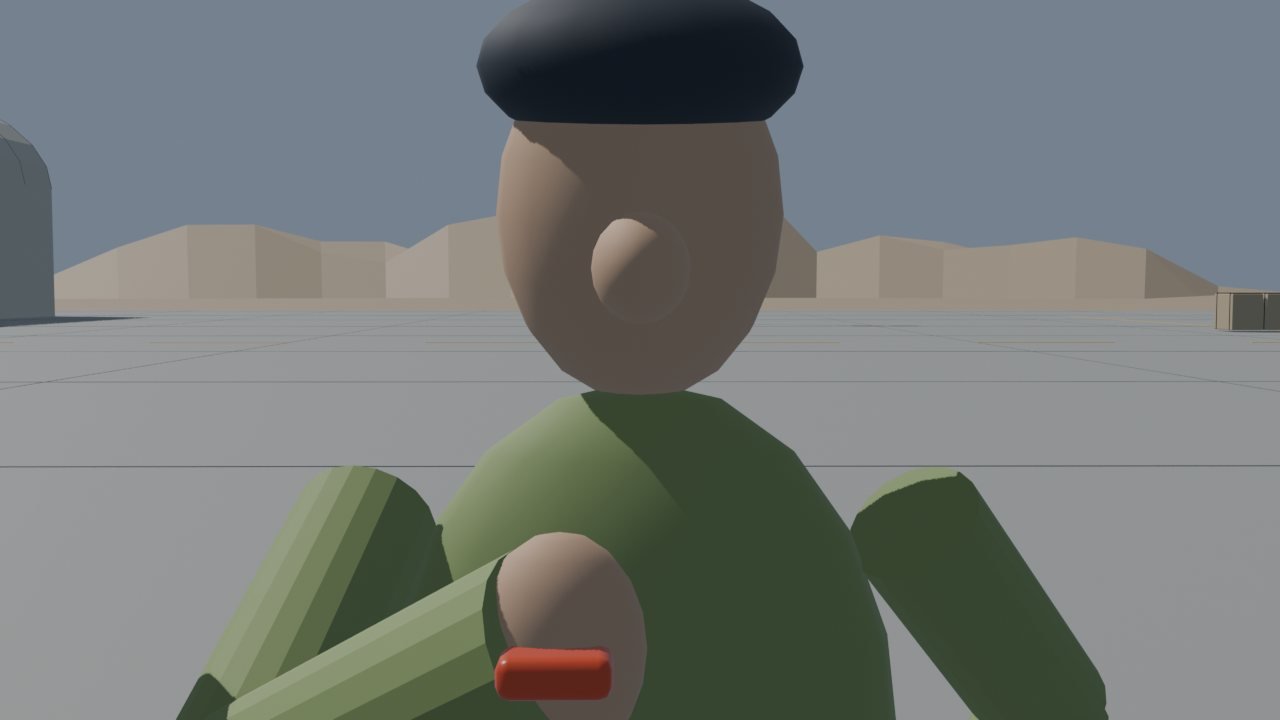
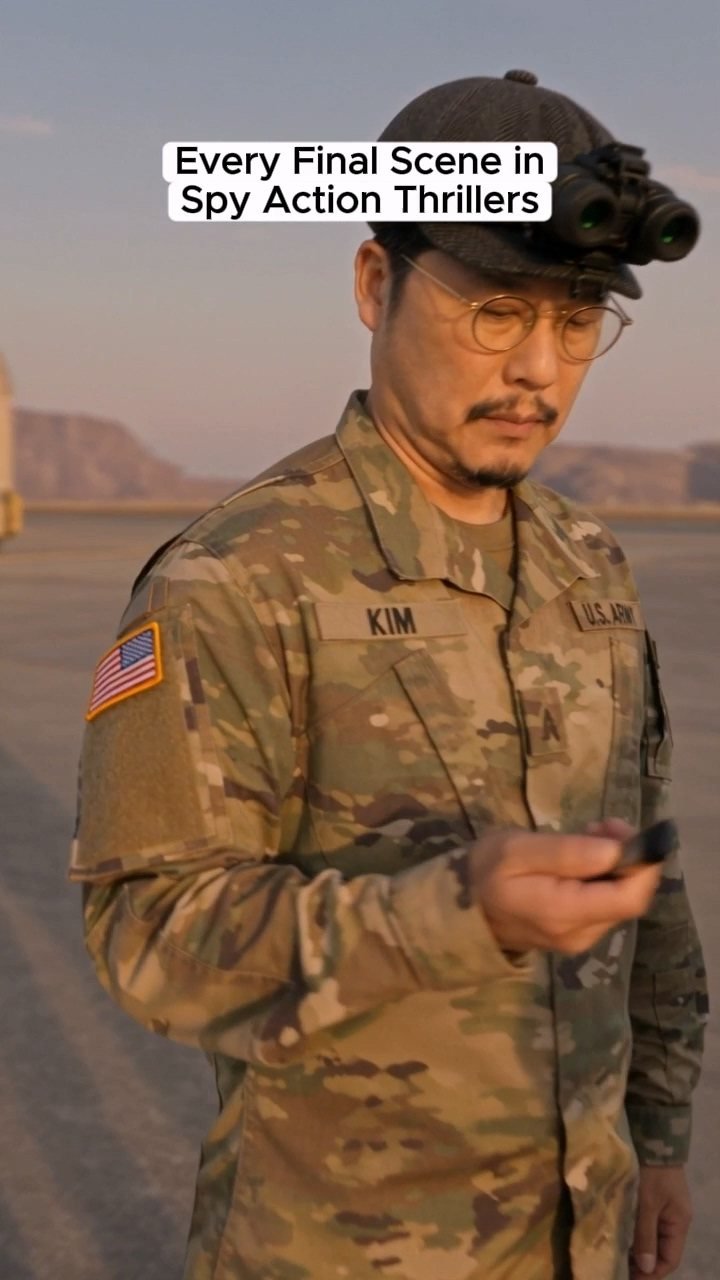
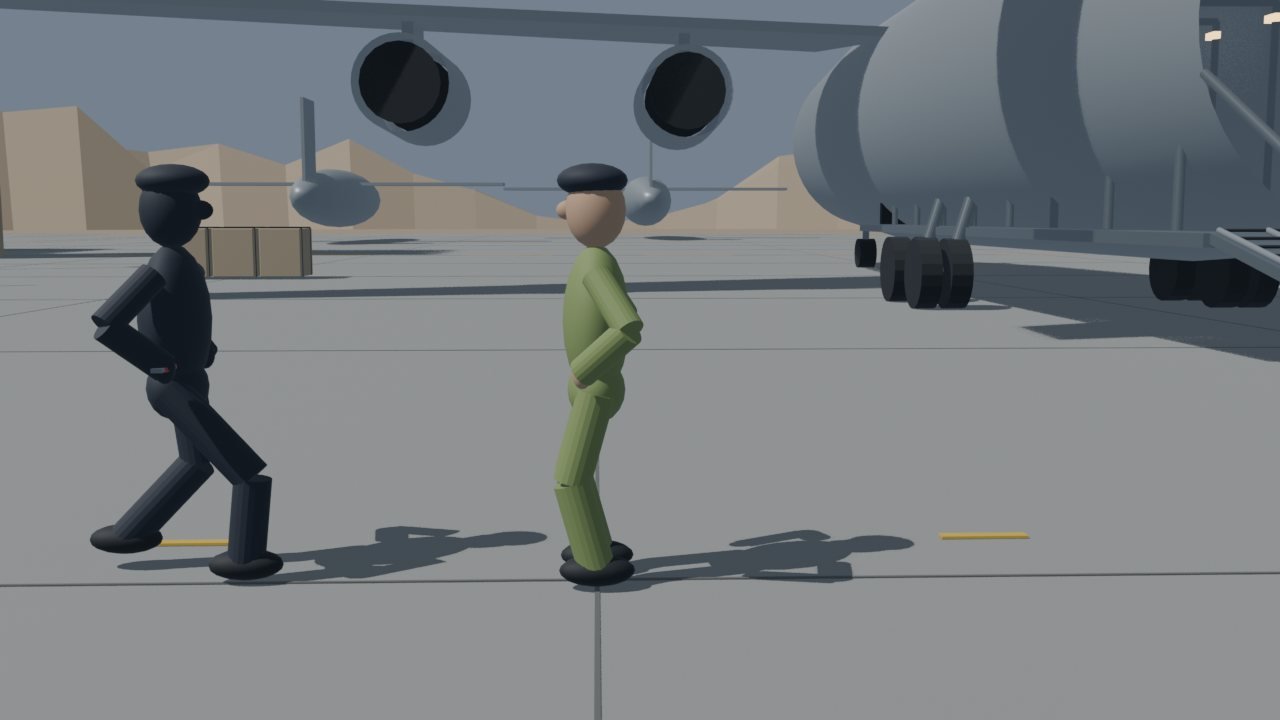
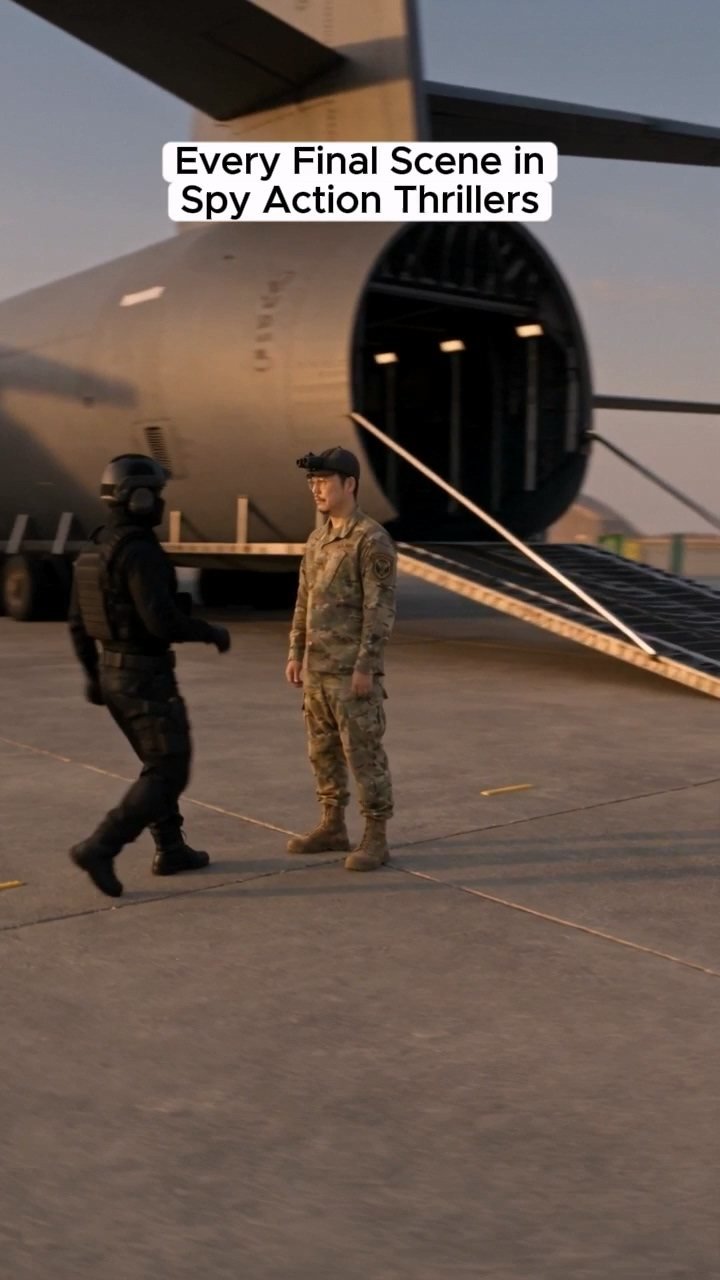
Every Final Scene in a Spy Thriller

Staged in a wide Blender layout, then framed vertically for the final. Shot size, eyelines, props and both characters' positions are set before generation. The layout also locks a camera move that is virtually impossible to get from a prompt alone: an orbit that sweeps around both characters, holds on one for a beat as he looks down, then keeps circling to reveal the other has disappeared.
Watch the short →
Blender layout: The detonator close-up.Blender layout
Final: The detonator close-up.Final
The detonator close-up.
Blender layout: Two characters blocked against the transport plane.Blender layout
Final: Two characters blocked against the transport plane.Final
Two characters blocked against the transport plane.

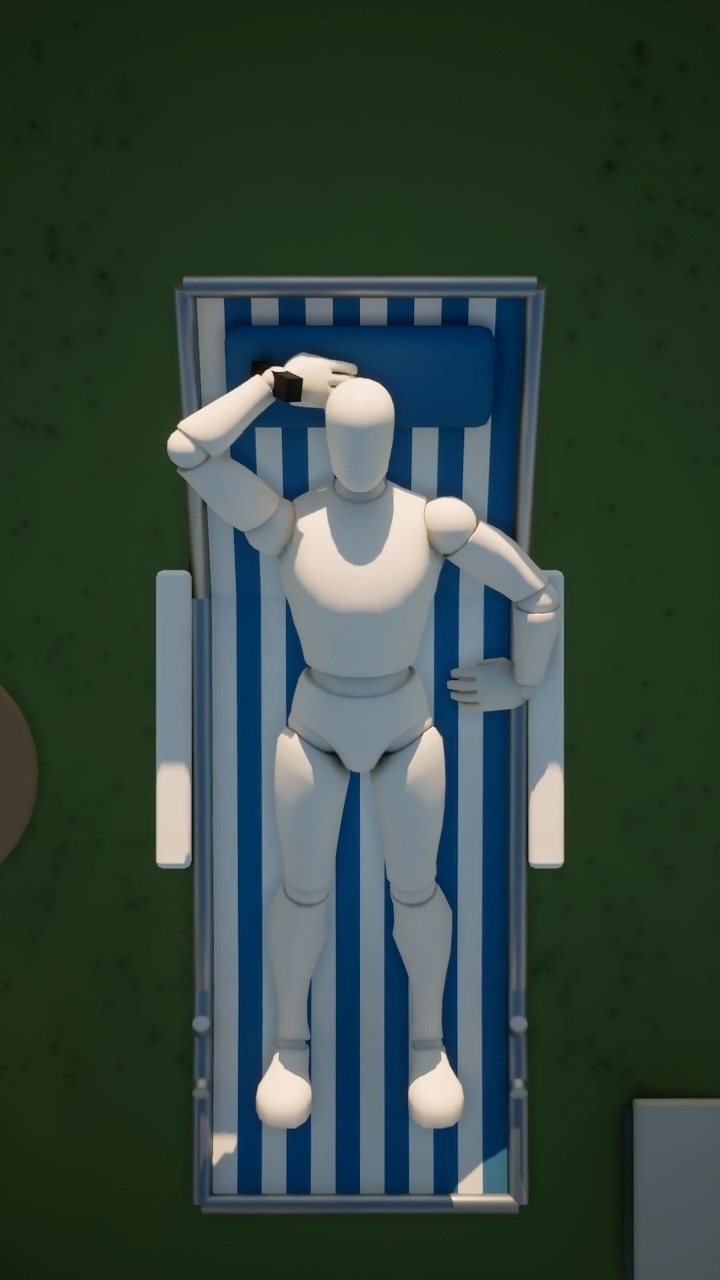
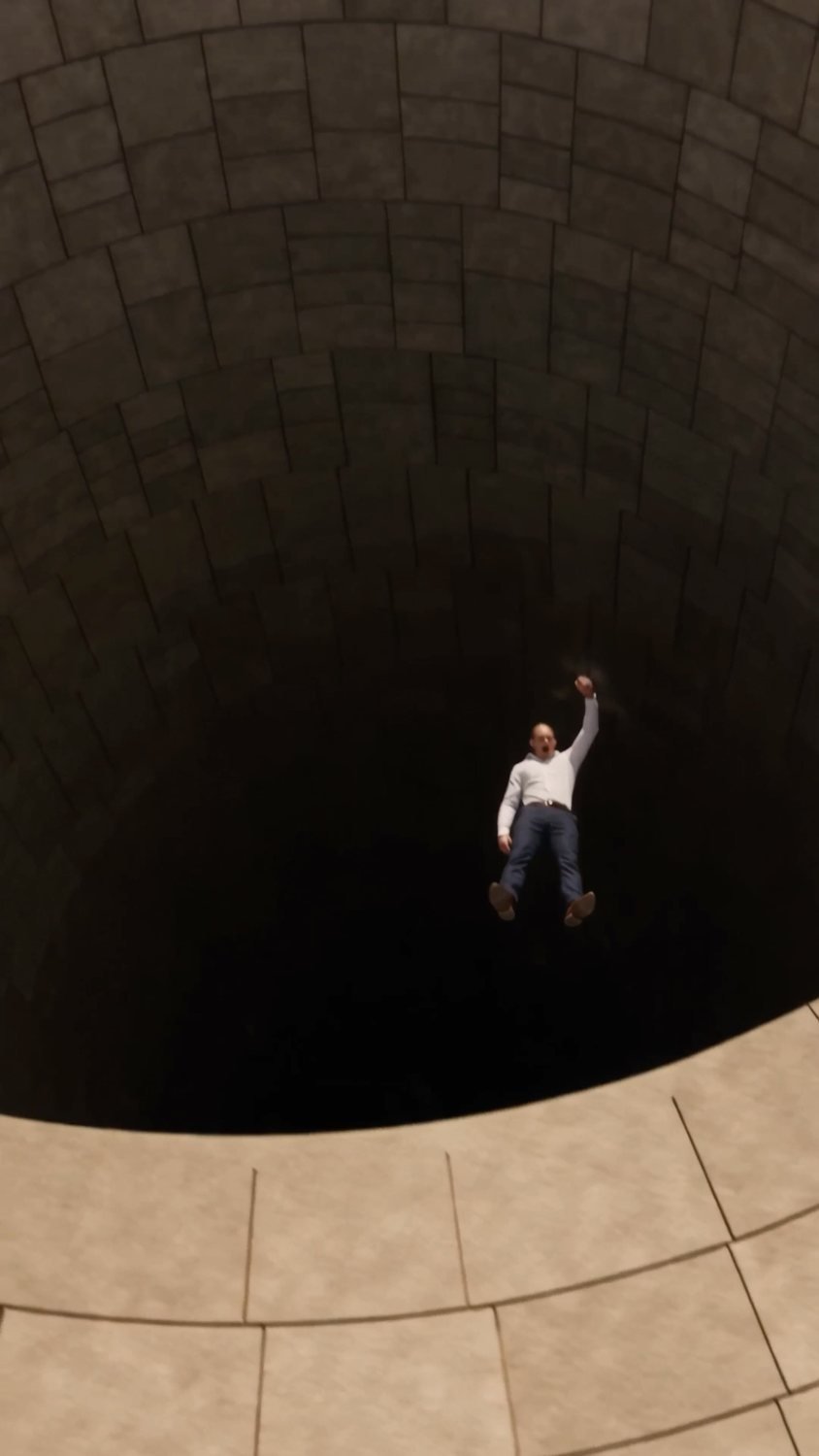
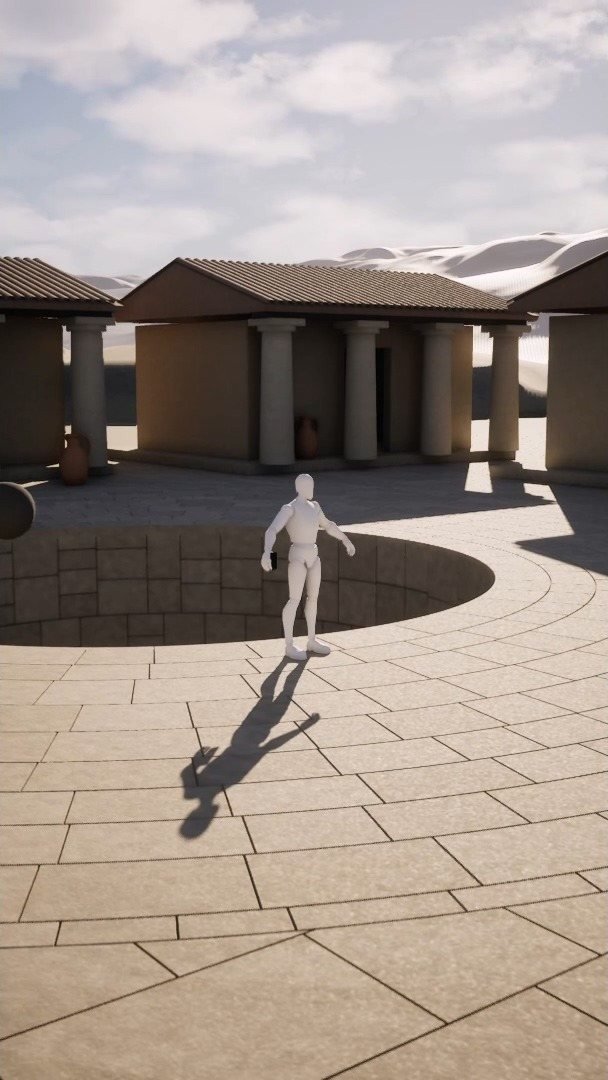
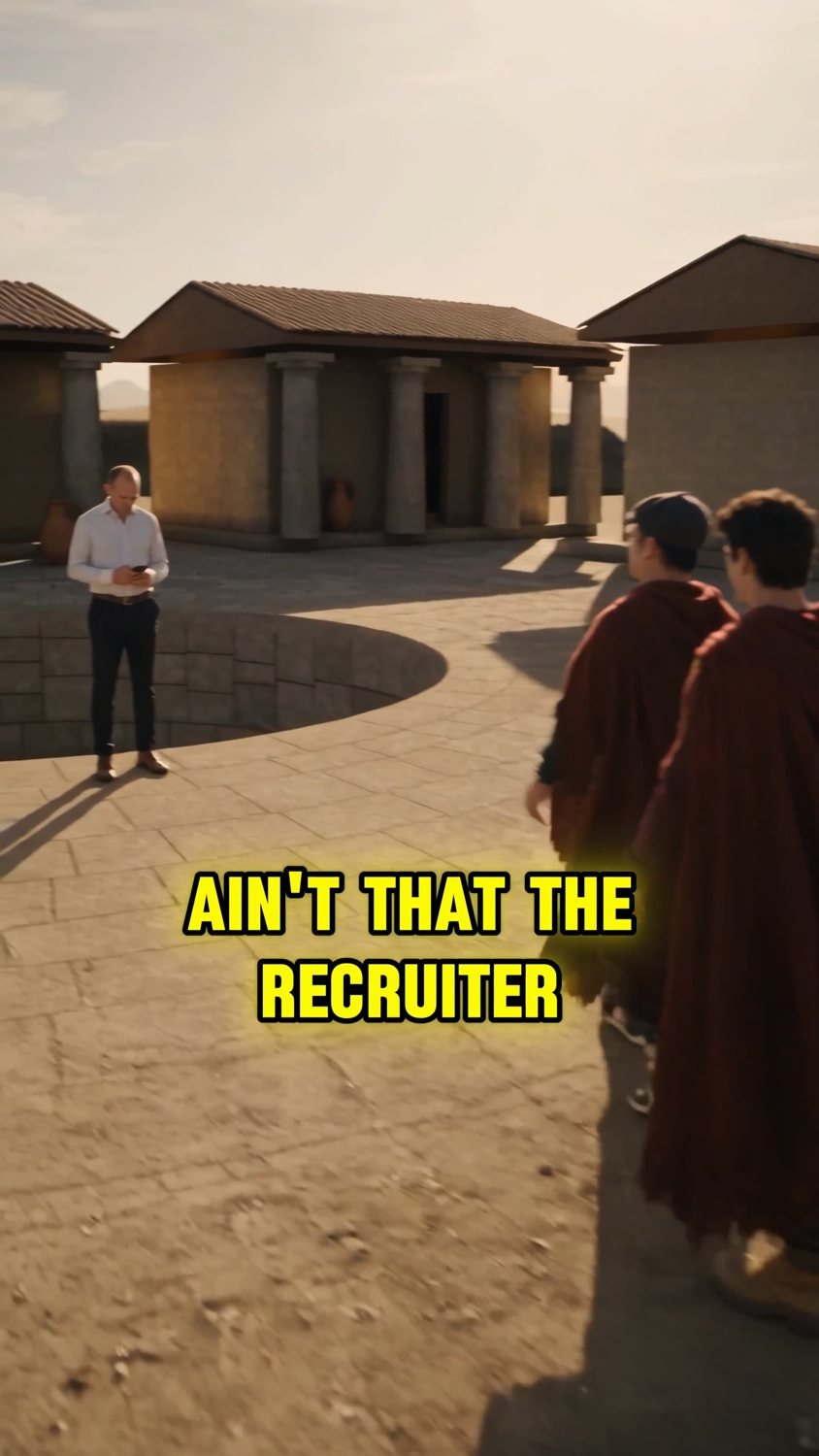
A village built once in Unreal Engine

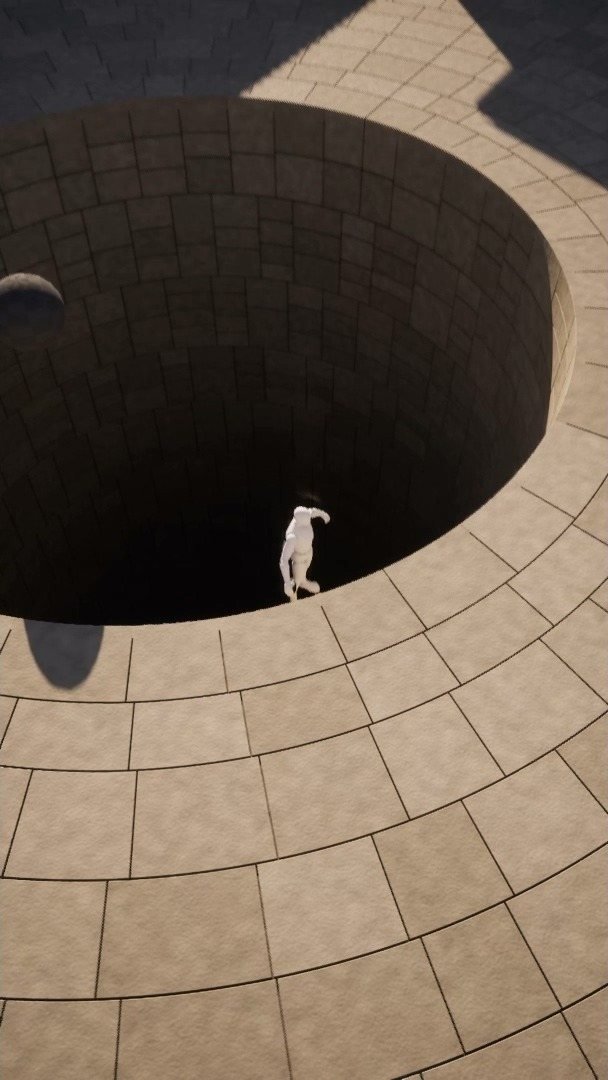
One set, every camera angle. The same house, amphora and pit edge appear in every shot because they come from the same Unreal scene.

Watch The Recruiter in Sparta →
Unreal layout: The recruiter at the pit, house and amphora unchanged.Unreal layout
Final: The recruiter at the pit, house and amphora unchanged.Final
The recruiter at the pit, house and amphora unchanged.
Unreal layout: The overhead fall, carried straight from the layout.Unreal layout
Final: The overhead fall, carried straight from the layout.Final
The overhead fall, carried straight from the layout.
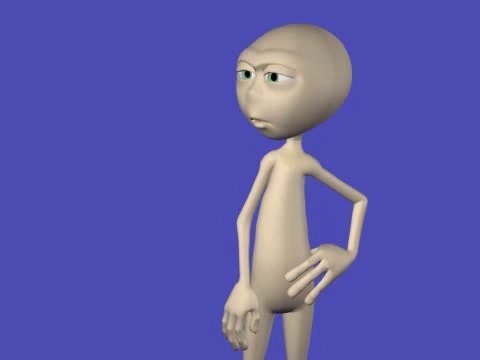
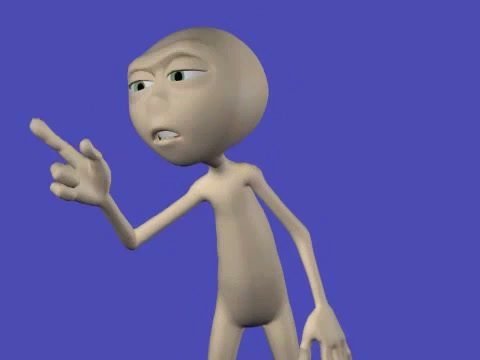
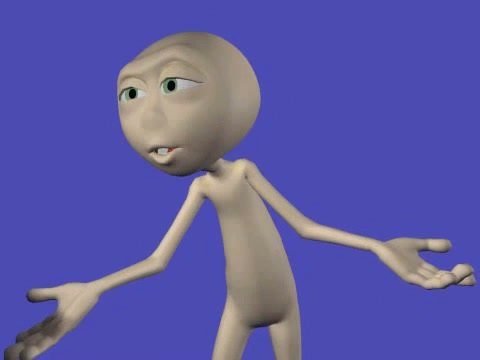
FoundationHand-keyframed animation

Acting, timing and weight remain useful tools.

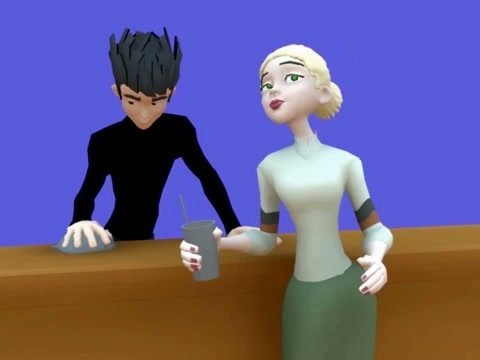
100% hand-keyframed character animation: dialogue, action and body mechanics. The same skills support pose corrections and clearer animatics for AI filmmaking.

00:02 / Listening
00:02 / Listening
00:06 / Emphasis
00:06 / Emphasis
00:10 / Gesture resolves
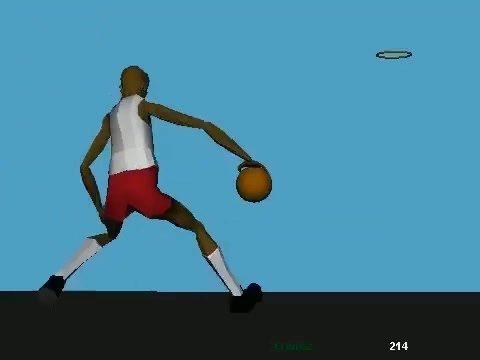
Body mechanics
Body mechanics
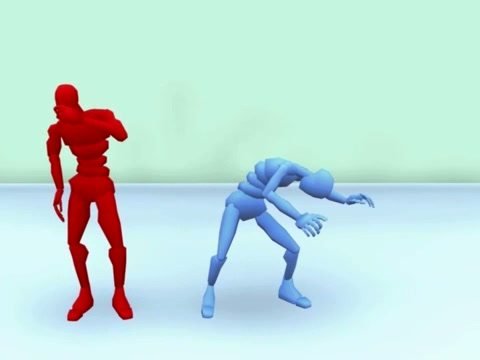
Combat
Combat
Two-character acting

Animation judgment carries into AI direction. Readable silhouettes, shifting weight, anticipation, overlapping action and restrained gestures help diagnose stiff or unclear generated performances.
Engineering + visual craft

Technical depth that supports the creative work.

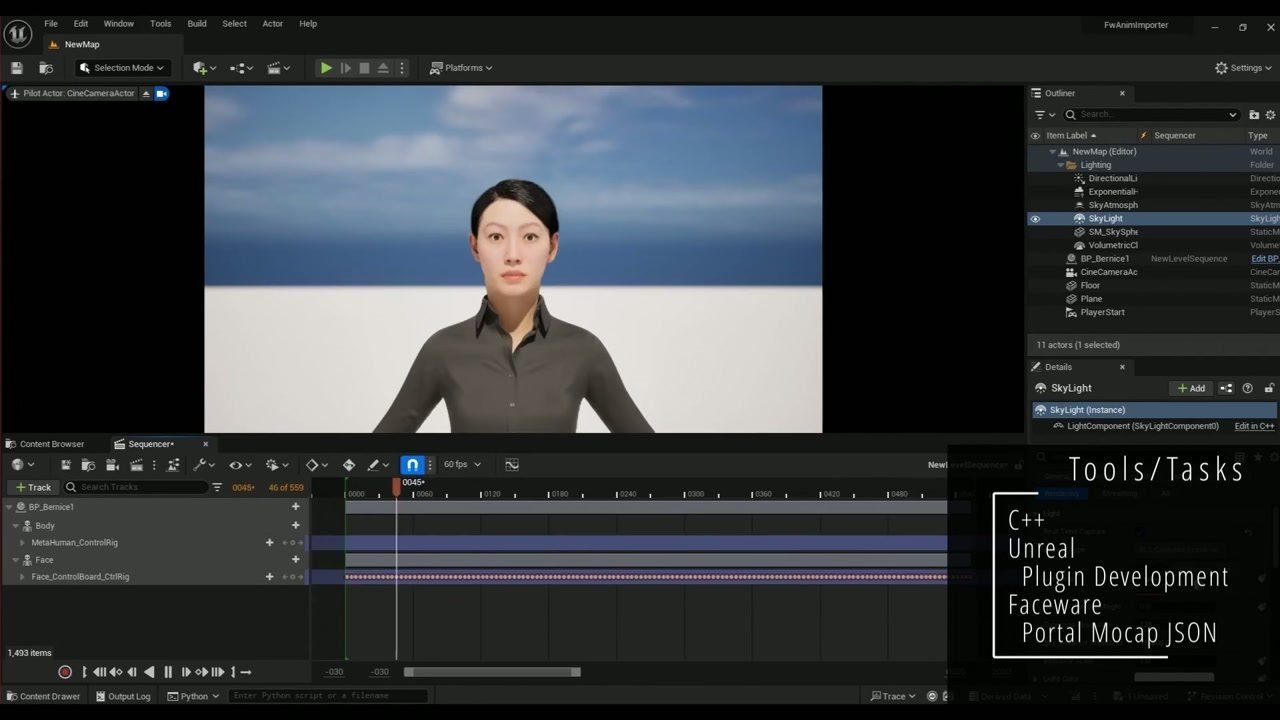
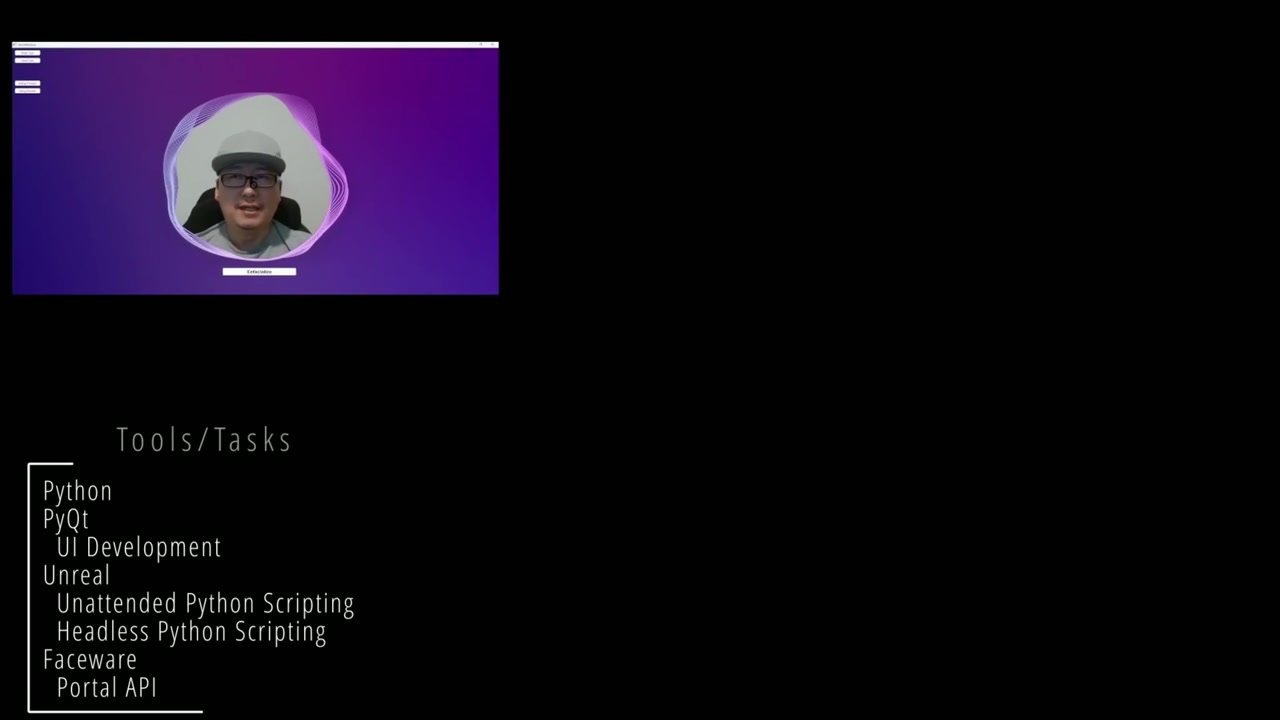
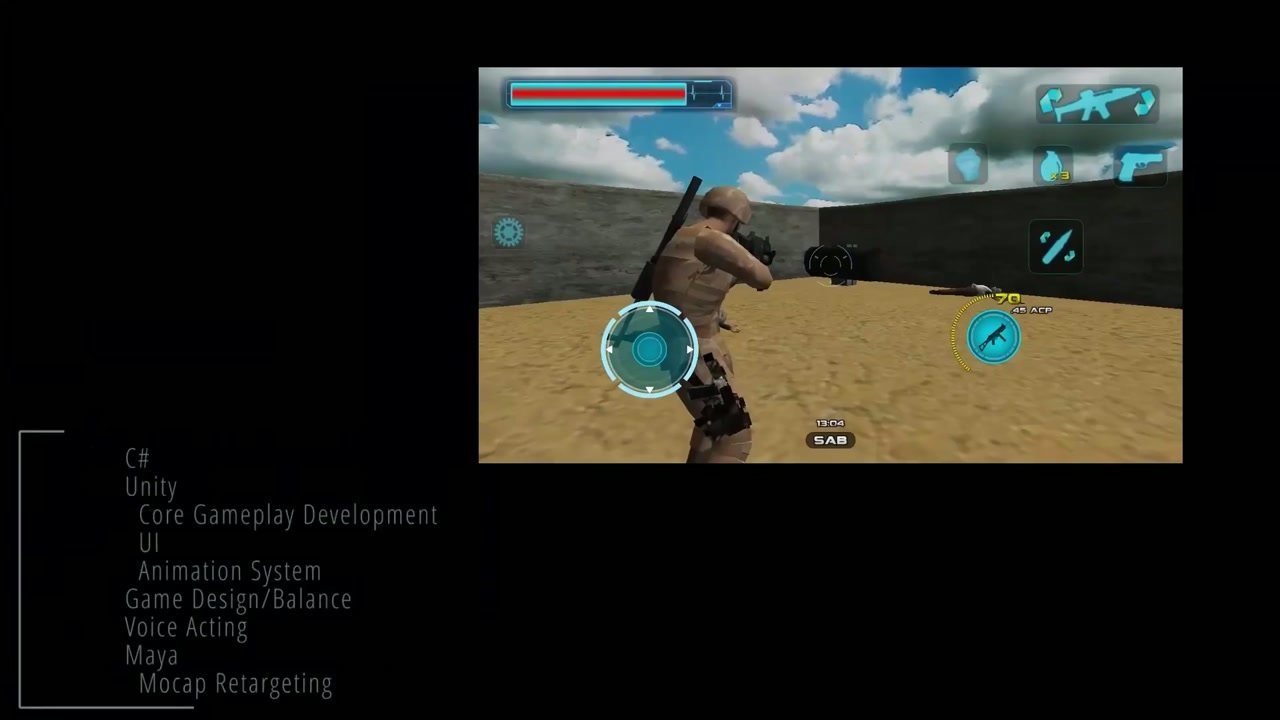
Unreal C++, Python, PyQt, Blueprints, mocap and game development sit alongside modeling, drawing and motion graphics.

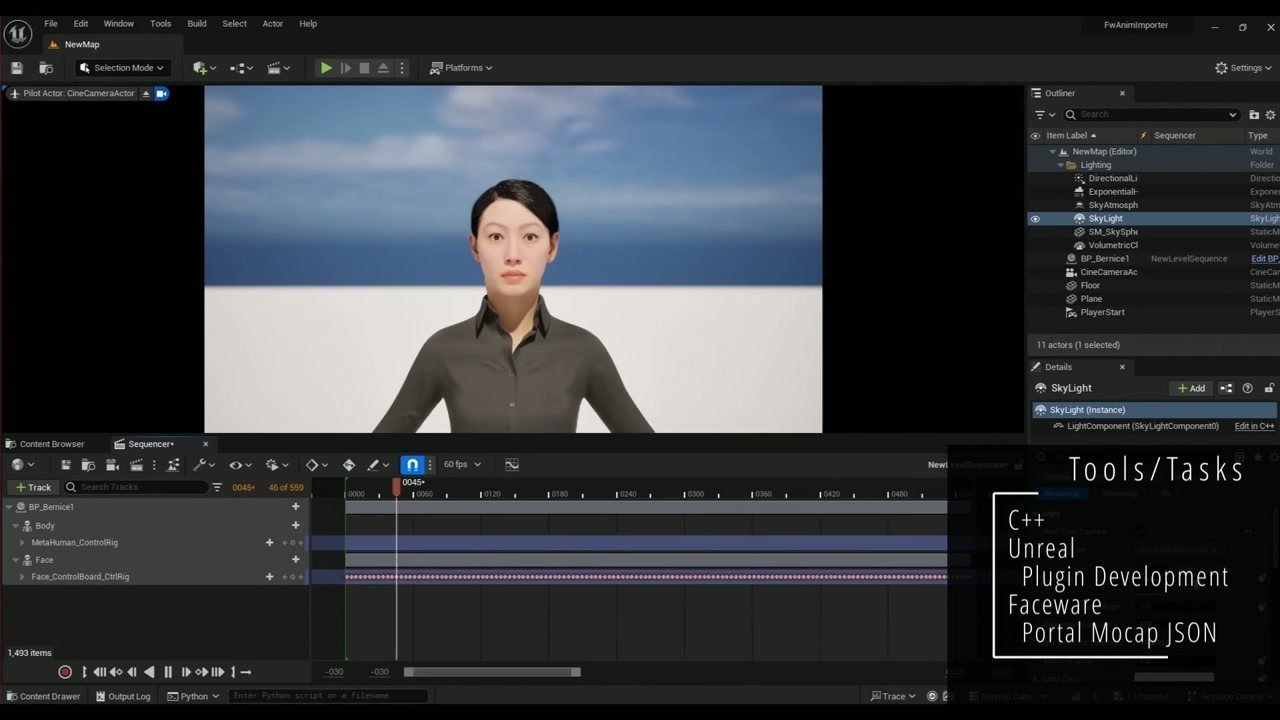
Unreal tools + mocap

Unreal tools + mocap

C++ plugin work, facial capture and MetaHumans

Python + PyQt pipelines

Python + PyQt pipelines

Headless Unreal scripting and production interfaces

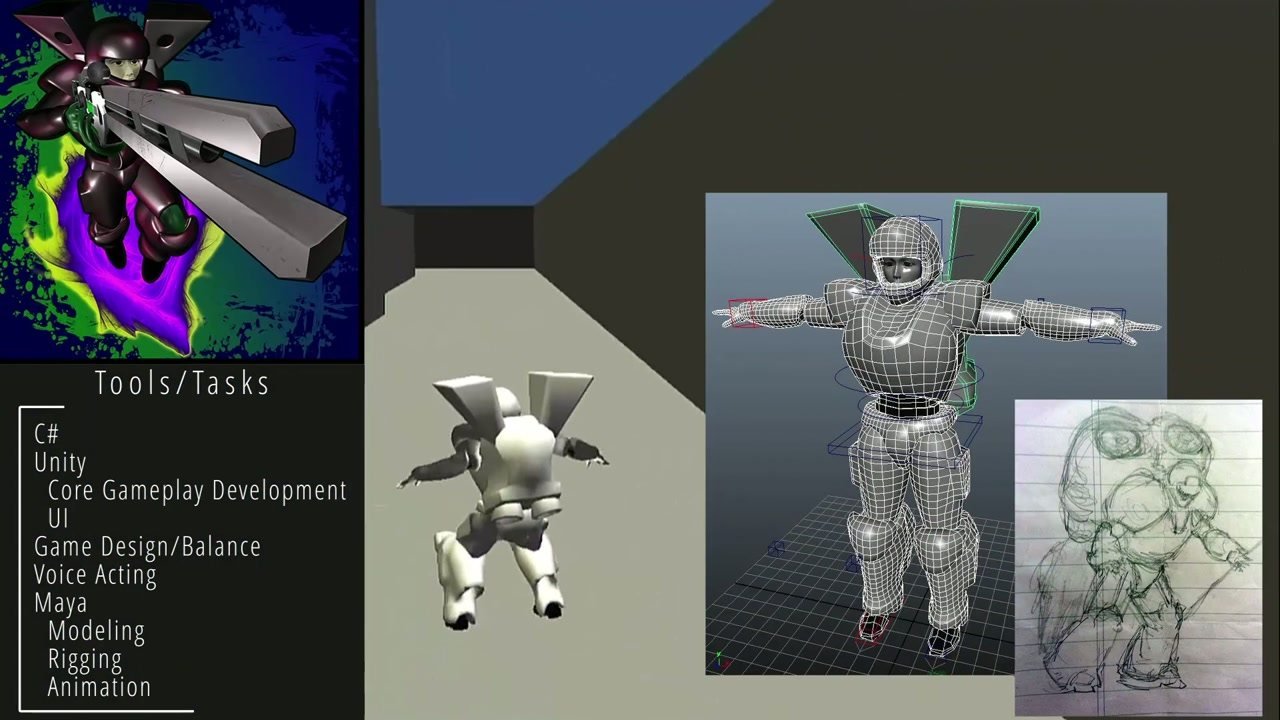
Unity game programming

Unity game programming

C#, gameplay, UI and animation systems

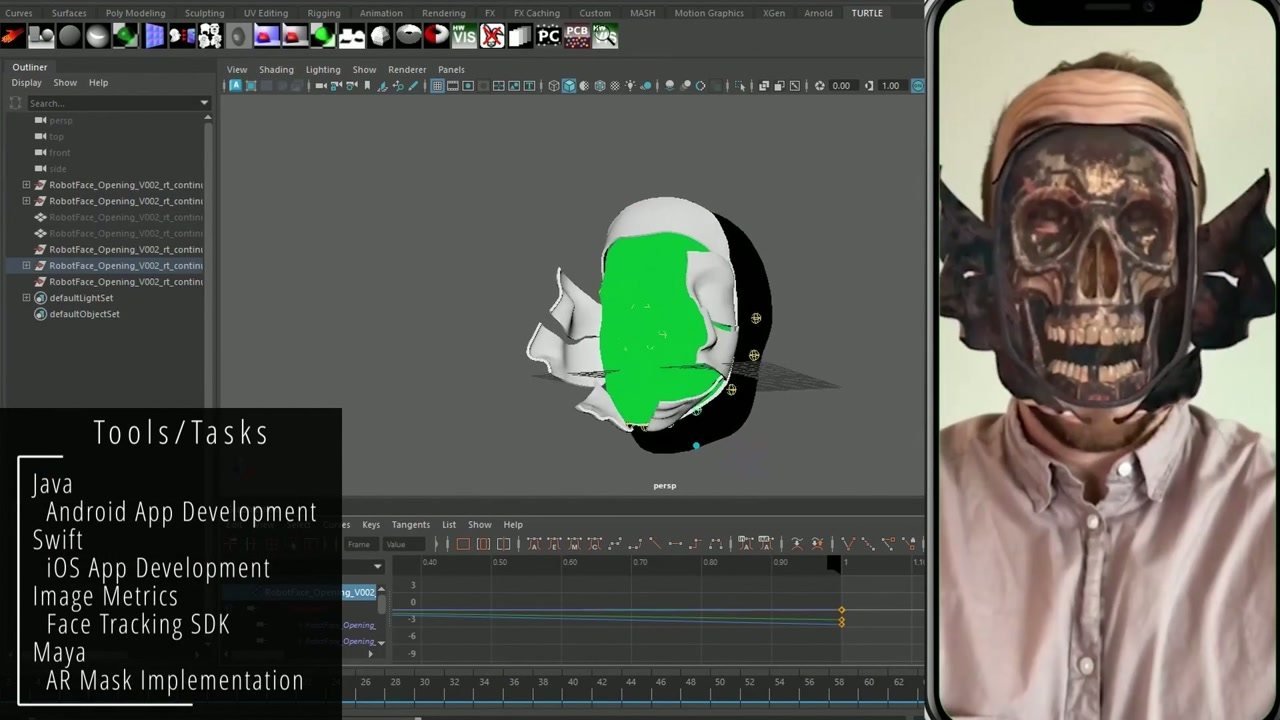
AR + tracking

AR + tracking

Mobile integrations, masks and real-time testing

Modeling + hand-drawn illustration

Modeling + hand-drawn illustration

Maya assets, anatomy studies and visual development

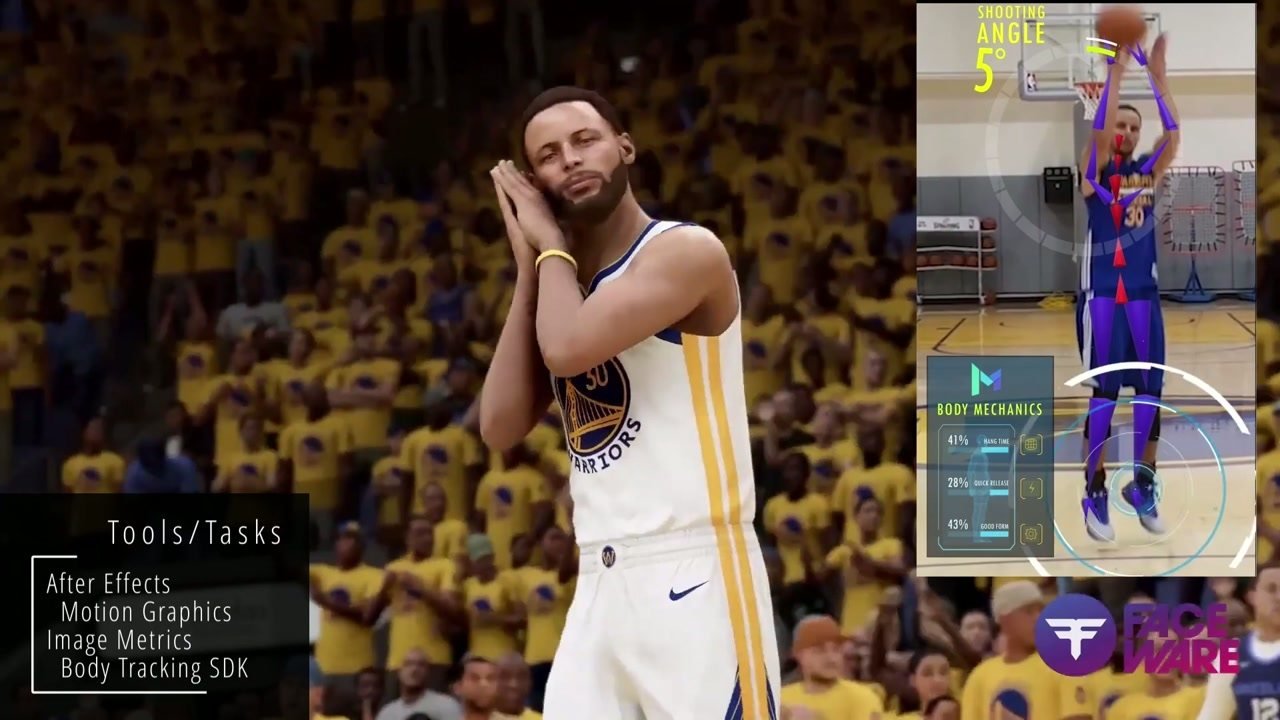
After Effects + motion graphics

After Effects + motion graphics

Compositing, tracking and promotional visuals

PublishingStory, illustration and delivery

A storytelling practice beyond the screen.

Published children's and fiction projects extend the work into longer narrative, illustration, editorial choices and finished books.

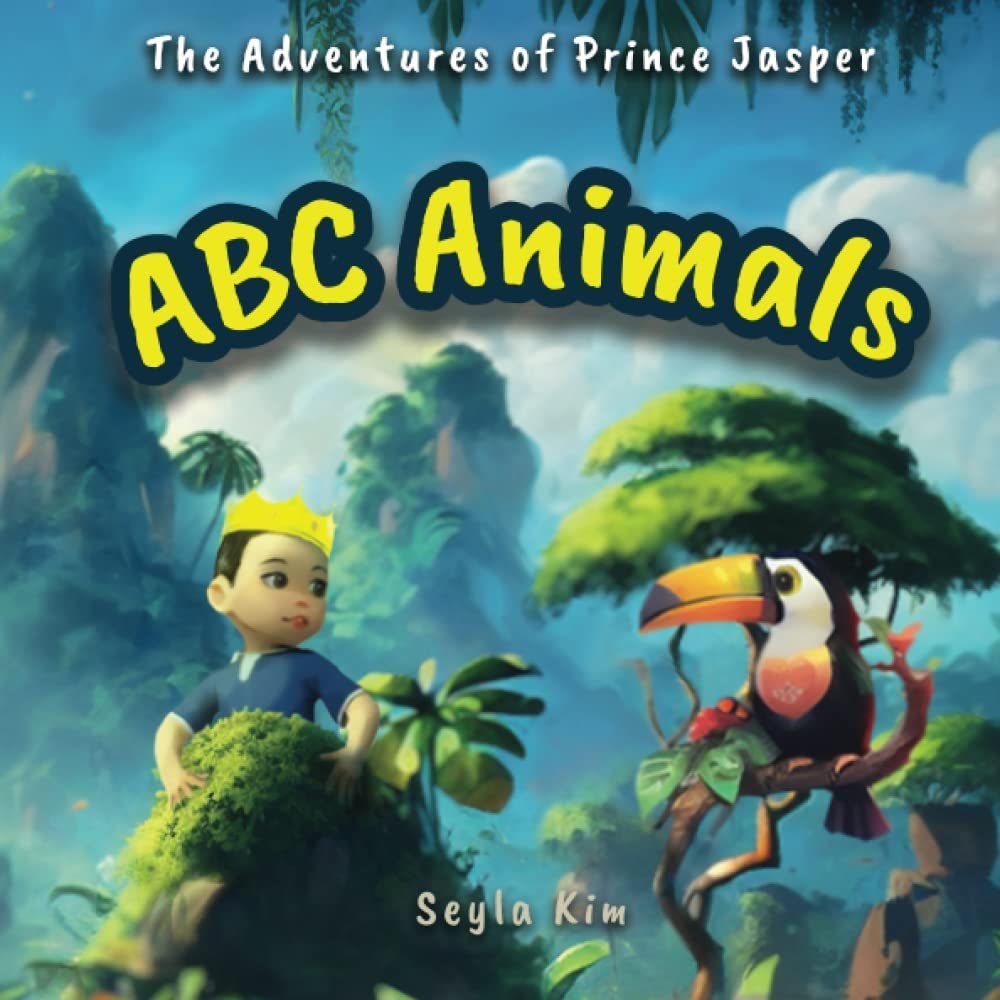
ABC Animals cover

ABC Animals

An illustrated alphabet book for young readers.

Published credit: Seyla Kim
Paperback / 2022

View the published book →
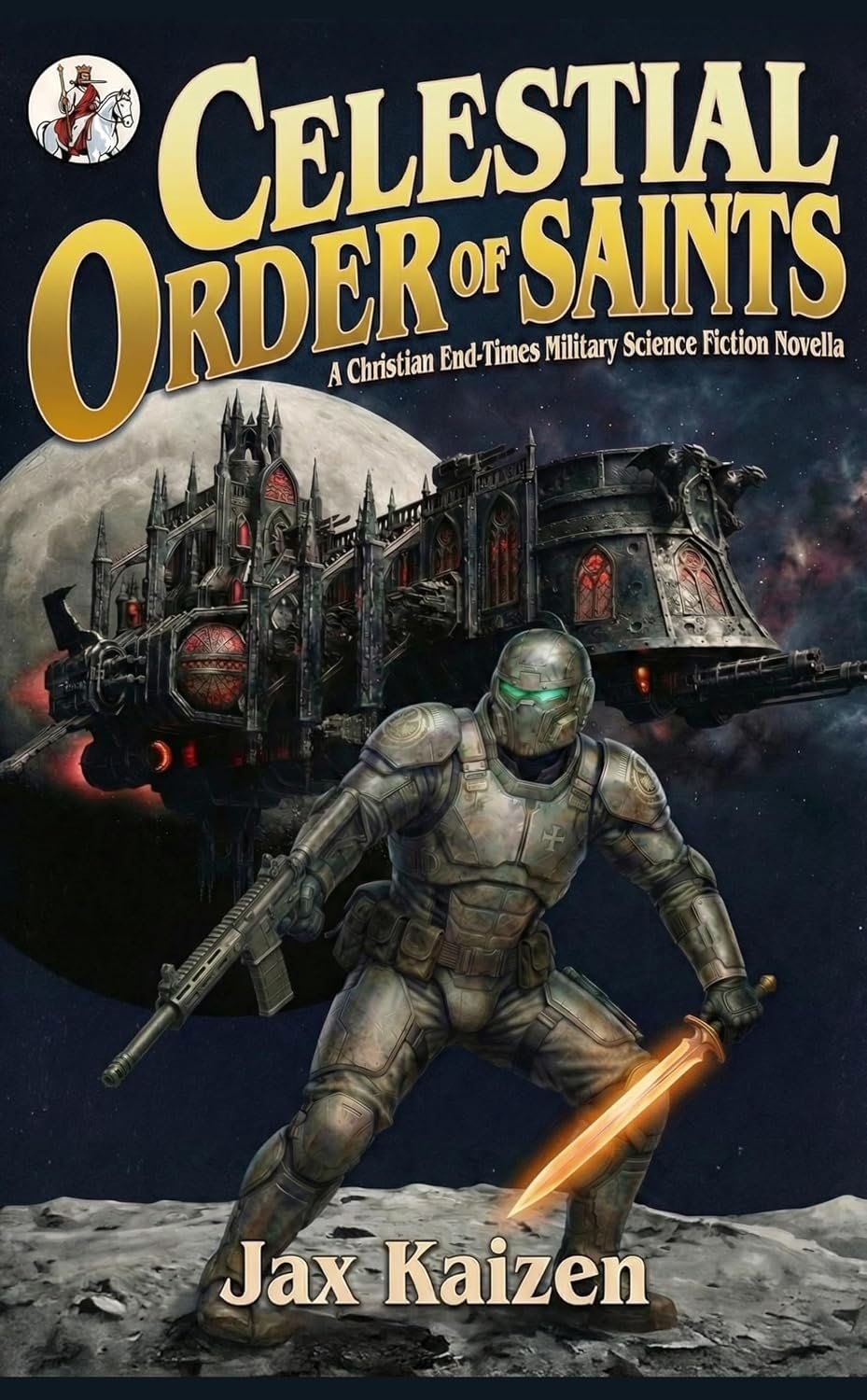
Celestial Order of Saints cover

Celestial Order of Saints

A military science-fiction novella.

Published credit: Jax Kaizen
Kindle / 2026

View the published book →

Writing across methods. The wider publishing practice includes fully human-written work and AI-assisted writing, with editorial choices made for the intended reader.

Illustration as a workflow. ComfyUI and AUTOMATIC1111 support AI-generated imagery, while selection, continuity, page design and publication turn experiments into finished work.

Published cover credits are shown as credited on the books. Writing methods vary by project.

ToolkitTwenty years of 3D and engineering behind every shot
Generative video
Seedance 2.5, Higgsfield, Kling, Veo, Runway, Luma, Magnific, Topaz Video AI
Generative image
Nano Banana Pro, ChatGPT Image 2, Seedream, Flux, Midjourney
Voice and audio
ElevenLabs voice, dialogue and lip sync; sound design
3D and layout
Unreal Engine, Blender, Maya; motion capture
Post
DaVinci Resolve, Premiere Pro, After Effects, CapCut
Engineering
Python, C++, ffmpeg; LLM and MCP tool integration
Get in touch → View resume